
Delphi FP10389
Delphi FP10389 Fuel Pressure Regulator User Manual
Muenzaniso: FP10389
1. Chigadzirwa Pamusoroview
The Delphi FP10389 Fuel Pressure Regulator is engineered with 248 years of Original Equipment (OE) experience, reflecting Delphi's heritage and knowledge in automotive parts. This regulator is designed to provide precise and consistent fuel pressure for optimal engine performance.
Zvinokosha:
- Precision Injiniya: Features precisely manufactured internal valves, diaphragms, and springs for excellent performance across all engine operating conditions.
- Quiet Operation: Designed for silent performance, ensuring no audible regulator noise during vehicle operation.
- Enhanced Durability: Constructed with robust diaphragm materials for extended lifespan, improved durability, and compatibility with a wide range of fuel types.
- Consistent Fuel Delivery: Ensures consistent and predictable fuel pressure throughout the system's control range, contributing to great drivability.

Mufananidzo 1: Main view of the Delphi FP10389 Fuel Pressure Regulator.
2. Chii chiri muBhokisi
Your Delphi FP10389 Fuel Pressure Regulator package should contain the following items:
- One (1) Delphi FP10389 Fuel Pressure Regulator

Figure 2: The Delphi FP10389 Fuel Pressure Regulator, typically supplied with necessary O-rings for installation.
3. Zvinotsanangurwa
| Attribute | Detail |
|---|---|
| Mugadziri | Delphi |
| Brand | Delphi |
| Model | FP10389 Regulator |
| Item Weight | 4.8 ounces |
| Product Dimensions | 2.5 x 2.5 x 3 inches |
| Nyika Yekwakabva | Bhuraziri |
| Item Model Number | FP10389 |
| Exterior Finish | Machined |
| Mugadziri Chikamu Nhamba | FP10389 |
| OEM Chikamu Nhamba | 5G1468, PR4239, 217-1564, 23077, 88984221, PR316, 800-428, 8-88984-221-0 |
| ASIN | B079WRM3S3 |
4. Setup uye Kuiswa
Installation of a fuel pressure regulator requires mechanical aptitude and adherence to safety protocols. If you are unsure about any step, it is recommended to consult a qualified automotive technician.
Kuchengetedza:
- Always disconnect the vehicle's battery before beginning work.
- Ita shuwa kuti injini inotonhorera.
- Deredza kumanikidzwa kwemafuta usati wabvisa chero tambo dzemafuta. Tarisa bhuku rebasa remotokari yako kuti uwane maitiro chaiwo.
- Pfekai midziyo yekuzvidzivirira nayo yakakodzera, kusanganisira magirazi ekudzivirira uye magirovhosi.
- Iva nechidzimisa moto chiripo.
Matanho Ekuisa (Gwaro Guru):
- Locate the Existing Regulator: Identify the current fuel pressure regulator on your vehicle. Its location varies by make and model, but it is typically found on the fuel rail or near the fuel tank.
- Relieve Fuel Pressure: Follow your vehicle manufacturer's instructions to safely relieve fuel system pressure. This often involves disabling the fuel pump and cranking the engine.
- Disconnect Fuel Lines: Carefully disconnect any fuel lines or vacuum lines attached to the old regulator. Be prepared for residual fuel to escape; use rags to catch it.
- Bvisa Old Regulator: Unbolt or unclip the old fuel pressure regulator from its mounting point.
- Ongorora uye Uchenese: Inspect the mounting surface and surrounding area for debris or damage. Clean as necessary.
- Isa Mutongi Mutsva: Install the Delphi FP10389 regulator, ensuring any new O-rings or gaskets are properly seated. Apply a thin layer of clean engine oil to O-rings for easier installation and proper sealing.
- Batanidza Mitsetse: Reconnect all fuel lines and vacuum lines securely. Double-check all connections.
- Restore Fuel Pressure: Reconnect the battery and re-enable the fuel pump. Turn the ignition to the 'ON' position (without starting the engine) several times to allow the fuel pump to prime the system and build pressure. Check for leaks.
- Kutanga Injini: Start the engine and carefully inspect for any fuel leaks around the new regulator. Allow the engine to run for a few minutes to ensure proper operation.
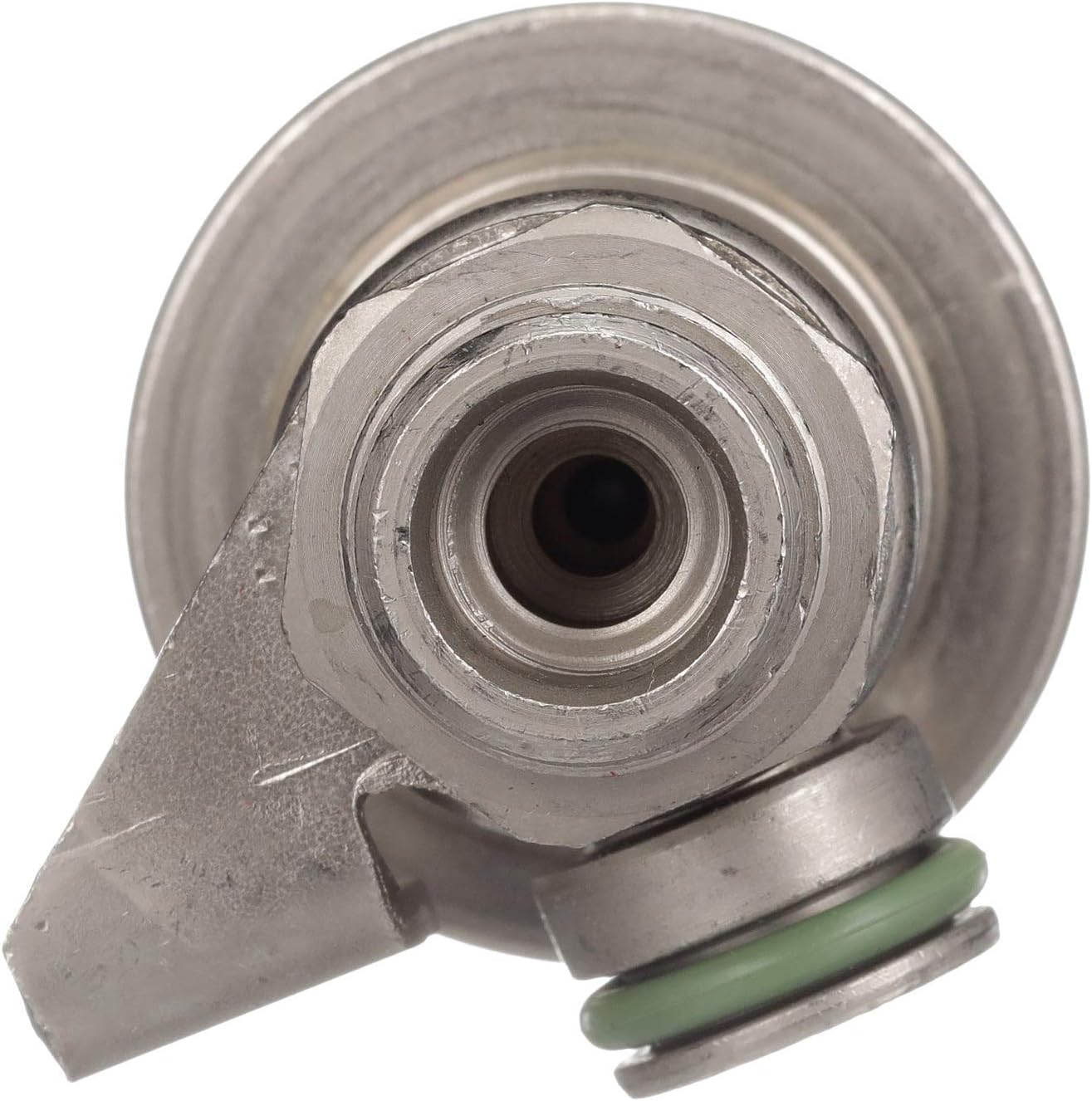
Mufananidzo 3: Pamusoro view of the regulator, showing the inlet screen which should be free of debris before installation.
5. Operating Principles
The fuel pressure regulator is a critical component in a vehicle's fuel injection system. Its primary function is to maintain a consistent fuel pressure differential across the fuel injectors, regardless of engine load or speed. This ensures that the correct amount of fuel is delivered to the engine for optimal combustion.
The Delphi FP10389 achieves this by diverting excess fuel back to the fuel tank when pressure exceeds the specified level. This continuous regulation ensures stable fuel delivery, which is essential for engine performance, fuel efficiency, and emissions control.

Mufananidzo 4: Rutivi view indicating the nominal pressure rating (e.g., 4.0 bar) of the regulator.
6. Kuchengeta
Fuel pressure regulators are generally considered maintenance-free components. However, their longevity and performance can be influenced by the overall health of the fuel system.
Zvinokurudzirwa:
- Hunhu hwemafuta: Use high-quality fuel to prevent contaminants from affecting the regulator's internal components.
- Sefa yemafuta: Ensure your vehicle's fuel filter is replaced at recommended intervals. A clogged fuel filter can put undue stress on the fuel pump and regulator.
- Kuongorora kweSystem: Periodically inspect fuel lines and connections for any signs of leaks or damage.
7. Kugadzirisa matambudziko
A failing fuel pressure regulator can lead to various engine performance issues. Below are common symptoms and potential causes:
| Symptom | Potential Cause (Regulator Related) |
|---|---|
| Engine Misfires kana Rough Idle | Incorrect fuel pressure (too high or too low) |
| Hard Starting (especially when warm) | Loss of residual fuel pressure due to a leaking diaphragm |
| Black Smoke from Exhaust | Excessive fuel pressure leading to a rich fuel mixture |
| Yakaderedzwa Fuel Economy | Improper fuel pressure causing inefficient combustion |
| Fuel Smell in Engine Bay | External fuel leak from the regulator or its connections |
| Check Engine Light (CEL) | Fault codes related to fuel system pressure (e.g., P0171, P0172, P0190) |
If you experience any of these symptoms, it is recommended to have the fuel system pressure diagnosed by a qualified technician. Do not attempt to repair the regulator; replacement is typically the only solution for a faulty unit.
8. Warranty uye Tsigiro
Please note that Delphi products purchased through, from, or on Amazon do not qualify for Delphi’s standard LIMITED warranty. When purchased through, from, or on Amazon, any warranty on this product is offered by and is the sole responsibility of the seller identified on the shipment details of your order. It is crucial to review all warranties carefully and contact the identified seller for all warranty details and claims.