
1. Nhanganyaya
Thank you for choosing the Dpofirs 8L Stainless Steel Pressure Cooker. This manual provides essential information for the safe and efficient use of your new appliance. Please read all instructions carefully before first use and retain this manual for future reference.
This pressure cooker is designed for efficient and versatile cooking, featuring a durable stainless steel construction and compatibility with both gas and induction cooktops.
2. Safety Information
YAmbiro: Kutadza kutevedzera iyi mirairo yekuchengetedza kunogona kukonzera kukuvara kwakanyanya kana kukuvara kwepfuma.
- Verenga mirairo yese usati washandisa pressure cooker.
- Usabata nzvimbo dzinopisa. Shandisa zvibato kana mapfundo.
- Pedyo kutarisa kunokosha kana iyo yekumanikidza yekubika inoshandiswa padyo nevana.
- Usaisa chibikidzo chepressure muovheni inopisa.
- Chenjerera zvakanyanya paunenge uchifambisa cooker ine zvinwiwa zvinopisa.
- Usashandise pressure cooker kune zvimwe zvinhu zvisiri izvo zvaunoda kushandisa.
- This pressure cooker cooks under pressure. Improper use may result in scalding injury. Ensure the unit is properly closed before operating.
- Never force the pressure cooker open. Ensure the internal pressure is completely released before opening.
- Do not fill the unit more than two-thirds full. When cooking foods that expand during cooking, such as rice or dried vegetables, do not fill the unit more than half full.
- Ensure the pressure release devices are not obstructed before use.
- Always check the gasket and valves for proper placement and condition before each use.
- Usashandise pressure cooker iyi pakugocha nemafuta.
- Ichi chigadzirwa kwete dishwasher yakachengeteka. Hand wash only.
3. Chigadzirwa Pamusoroview
The Dpofirs 8L Stainless Steel Pressure Cooker features a robust design for efficient and safe cooking. Key components include:
- Pot Body: Constructed from three-layer stainless steel for even and rapid heating.
- Lid: Equipped with a secure locking mechanism and pressure release valve.
- Main Handle: Yakagadzirwa nenzira ye ergonomic kuti ishandiswe zvakachengeteka.
- Mubatsiri Wemubato: For easier lifting and transport.
- Pressure Valve: Regulates internal pressure during cooking.
- Safevhavhavha: An additional safety feature to release excess pressure.
- Lid Opening Button: For convenient one-press lid opening after pressure release.
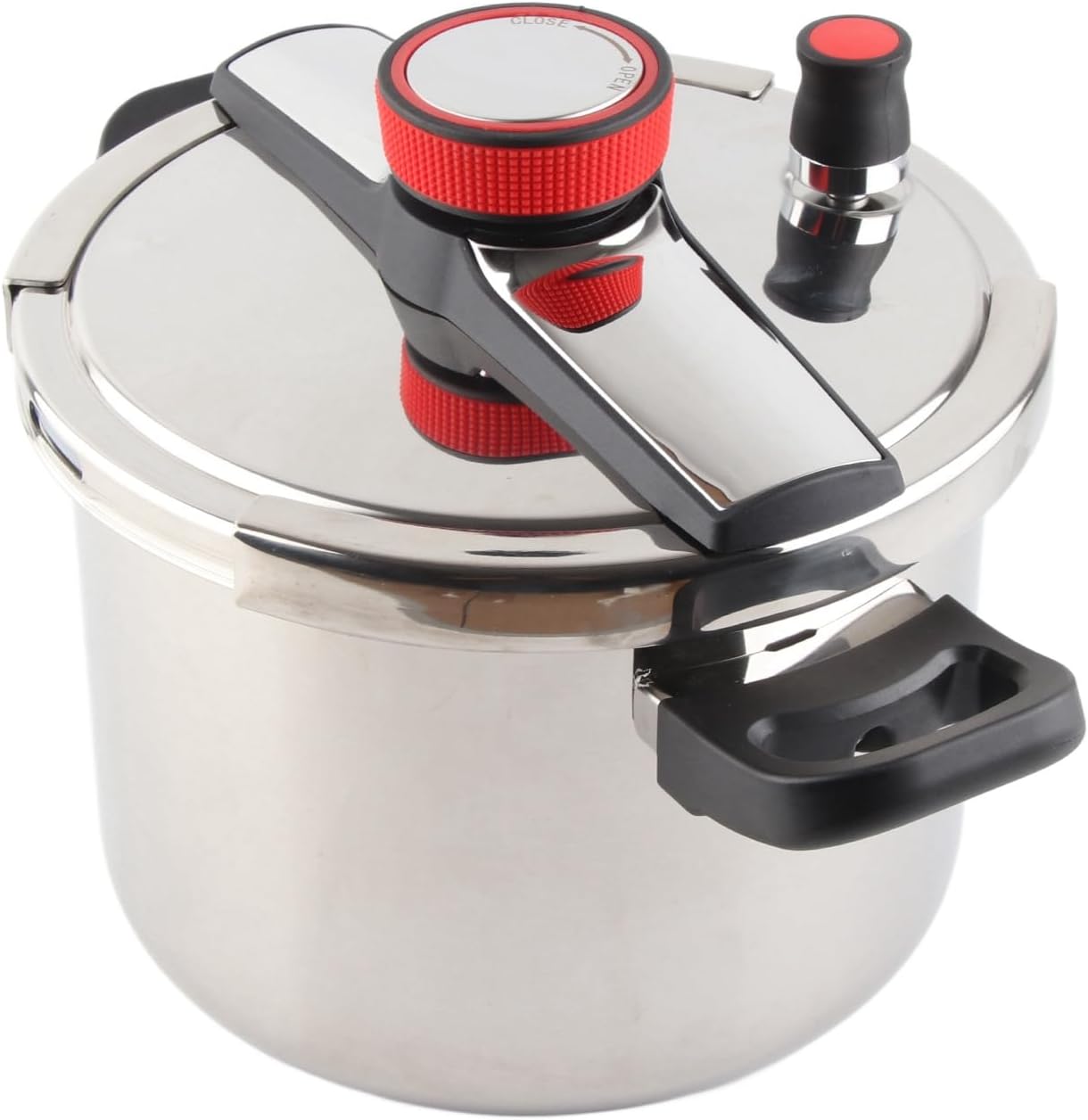
Figure 3.1: Dpofirs 8L Stainless Steel Pressure Cooker, assembled.

Figure 3.2: Components of the pressure cooker, including the pot body, lid, and pressure valve.
4. Setup
- Kuburitsa: Bvisa zvese zvekurongedza nekungwarira uye tarisa pressure cooker kuti uone kana paine kukuvara.
- Kutanga Kuchenesa: Before first use, wash the pot body, lid, and all removable parts with warm soapy water. Rinse thoroughly and dry completely.
- Gasket Installation: Ensure the rubber gasket is properly seated inside the lid rim. It should fit snugly and evenly.
- Kuongorora kwevhavha: Verify that the pressure valve and safety valve are clear of any obstructions and move freely.
5. Operating Instructions
5.1. Kuzadza Pressure Cooker
- Add food and liquid to the pot. Always add at least 1 cup (250ml) of liquid to generate steam.
- Do not fill the pressure cooker more than two-thirds (2/3) full.
- For foods that expand (e.g., rice, beans, grains), do not fill more than half (1/2) full.

Figure 5.1: Interior markings indicating maximum fill levels.
5.2. Kuvhara Chivharo
- Align the lid with the pot body.
- Place the lid onto the pot and rotate it clockwise until it locks securely into place. The lid opening button should be in the 'CLOSE' position.
- Ensure the lid is fully sealed and cannot be opened without pressing the button.

Figure 5.2: Illustration of the gear closure design for securing the lid.
5.3. Kubika Pasi Pakamanikidzwa
- Place the pressure cooker on a suitable heat source (gas or induction cooktop).
- Set the heat to high. Steam will begin to escape from the pressure valve, and the pressure indicator will rise.
- Once the desired pressure is reached (indicated by the pressure valve), reduce the heat to maintain a steady pressure without excessive steam release.
- Bikai kwenguva yakakurudzirwa zvichienderana neresipi yenyu.
5.4. Kuburitswaasing Kumanikidzwa
Kune nzira mbiri huru dzekubvisaasing kumanikidzwa:
- Natural Kuburitswa: Remove the pressure cooker from the heat source and allow it to cool down naturally. The pressure will gradually decrease, and the pressure indicator will drop. This method is suitable for foods that benefit from additional cooking time, such as stews and roasts.
- Kurumidza Kuburitsa: For faster pressure release, carefully turn the pressure release valve to the 'OPEN' position. YAMBIRO: A strong jet of steam will be released. Keep hands and face away from the steam vent. This method is suitable for delicate foods like vegetables.
5.5. Kuvhura Chivharo
- Ensure the pressure indicator has fully dropped and no steam is escaping from the valve.
- Press the lid opening button and rotate the lid counter-clockwise to unlock.
- Bvisa chivharo chacho nokungwarira kuti usasvibise utsi hwasara.
6. Kuchengetedza uye Kuchenesa
Kuchengetedza kwakakodzera kunoita kuti chitofu chako chigare kwenguva refu uye chishande zvakachengeteka.
- Mushure meKushandisa Kwese: Wash the pot body and lid with warm, soapy water. Rinse thoroughly and dry immediately to prevent water spots and corrosion.
- Kutarisirwa kweGasket: Remove the rubber gasket from the lid and wash it separately. Inspect it for cracks, tears, or hardening. Replace if damaged. Ensure it is completely dry before re-installing.
- Kucheneswa kwevhavha: Clean the pressure valve and safety valve regularly to ensure they are free from food particles or blockages. Use a small brush if necessary.
- Kuchengeta: Chengeta pressure cooker nechivharo chakapindurwa kana chakavhurika zvishoma kuti mhepo ifambe zvakanaka uye kudzivirira kunhuwa.
- USA clean in a dishwasher. Hand wash only.
7. Kugadzirisa matambudziko
| Dambudziko | Zvinogona Kukonzera | Solution |
|---|---|---|
| Mhute inobuda kubva pamucheto wechivharo | Gasket improperly seated or damaged; lid not closed correctly. | Reposition gasket, ensure lid is fully locked. Replace gasket if damaged. |
| Pressure not building up | Insufficient liquid; lid not sealed; valve blocked. | Add more liquid, check lid seal, clean valves. |
| Chivharo hachigone kuvhurwa mushure mekubika | Pressure still inside the cooker. | Ensure all pressure is released (natural or quick release) and the pressure indicator has dropped. Never force open. |
| Chikafu hachina kubikwa | Insufficient cooking time; heat too low. | Increase cooking time or heat. Ensure pressure is maintained. |
8. Zvinotsanangurwa
- Brand: Dpofirs
- Model Number: Dpofirsv8q6txi9ma-13
- Kugona 8 litres
- Material: 304 Stainless Simbi
- Ruvara: Sirivha
- Pedzisa Type: Yakanatswa
- Special Features: Induction Compatible Base, Locking Lid
- Chinhu Weight: 4.08 makirogiramu
- Operation Mode: Manual
- Dishwasher Yakachengeteka: Aihwa
- Kuvhara Type: Rokunze Lid

Figure 8.1: Dimensions of the Dpofirs 8L Pressure Cooker.
9. Warranty uye Tsigiro
Kuti uwane ruzivo rwewarandi uye rutsigiro rwevatengi, ndapota tarisa magwaro akapihwa panguva yekutenga kana kuti bata mutengesi wako. Chengeta risiti yako yekutenga sehumbowo hwekutenga.
For further assistance, you may also visit the official Dpofirs store online: Dpofirs Store
10. Official Product Videos
Hapana mavhidhiyo epamutemo ezvigadzirwa kubva kumutengesi akawanikwa emhando iyi.