1. Chigadzirwa Pamusoroview
This manual provides instructions for the safe and proper installation, operation, and maintenance of the Generic Sewing Machine Lead Power Cord. This power cord (Part Number: 660-5) is designed for use with 158 Series and older rotary flat bed sewing machines, providing the necessary electrical connection for your sewing equipment.
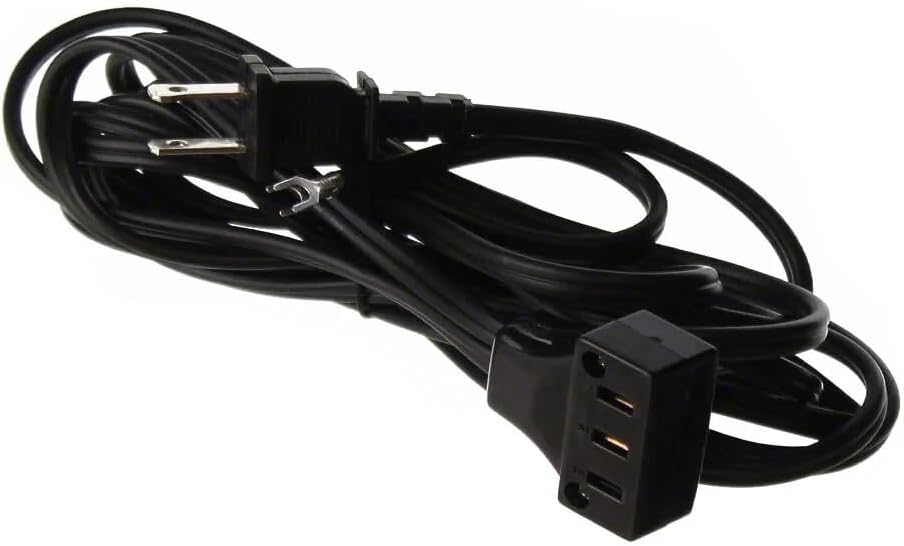
Mufananidzo 1: Full view of the Generic Sewing Machine Lead Power Cord. This image displays the entire length of the black power cord, coiled, with the two distinct ends visible: the spade connectors and the female receptacle.
2. Safety Information
Please read and understand all safety instructions before installing or using this product. Failure to follow these instructions may result in electric shock, fire, or personal injury.
- Bvisa Simba: Always ensure the sewing machine is unplugged from the wall outlet before installing or removing the power cord.
- Wongorora Cord: Before each use, inspect the power cord for any signs of damage, such as cuts, frayed wires, or exposed conductors. Do not use a damaged cord.
- Kubatana Kwakakodzera: Ensure all connections are secure and fully inserted. Loose connections can cause overheating or electrical arcing.
- Dry Environment: Use the power cord in a dry environment. Avoid contact with water or other liquids.
- Zvinotarisirwa Kushandiswa: This power cord is specifically designed for compatible sewing machines. Do not use it for other appliances or purposes.
- Vana uye Zvipfuwo: Keep the power cord out of reach of children and pets.
3. Setup uye Kuiswa
Follow these steps to properly install the power cord:
- Prepare the Sewing Machine: Ensure your sewing machine is turned off and unplugged from any power source.
- Identify Cord Ends: The power cord has two distinct ends:
- Spade Connectors: These are two metal fork-shaped terminals designed to connect to the internal wiring or motor terminals of your sewing machine.
- Female Receptacle: This is a three-hole socket designed to accept the male plug of your sewing machine's existing power cord or foot pedal cord.

Mufananidzo 2: Spade Connectors. This image shows a detailed view of the two metal fork-shaped terminals at one end of the power cord, designed for internal machine connection.

Mufananidzo 3: Female Receptacle. This image provides a close-up of the three-hole socket at the other end of the power cord, where the sewing machine's foot pedal or power plug connects.
- Connect Spade Terminals: Carefully connect the two spade connectors to the corresponding terminals on your sewing machine's motor or internal wiring. Refer to your sewing machine's original manual for specific connection points. Ensure a firm and secure connection.
- Connect Machine Plug: Insert the male plug of your sewing machine's foot pedal or existing power cord firmly into the female receptacle of this new lead power cord.
- Batanidza kuWall Outlet: Finally, plug the male end of the lead power cord into a standard, grounded electrical wall outlet.
Zvakakosha: If you are unsure about connecting the spade terminals, consult a qualified technician or refer to your sewing machine's specific service manual.
4. Operating Instructions
Once the power cord is securely installed as described in Section 3:
- Ensure all connections are tight and there are no exposed wires.
- Turn on your sewing machine using its power switch.
- Operate your sewing machine as usual.
If the machine does not power on, refer to the Troubleshooting section.
5. Kuchengeta
Proper maintenance ensures the longevity and safe operation of your power cord:
- Kugara Kuongorora: Periodically inspect the entire length of the cord, including the plugs and connectors, for any signs of wear, damage, or discoloration.
- Kuchenesa: If necessary, gently wipe the cord with a dry, soft cloth. Do not use liquid cleaners or immerse the cord in water.
- Kuchengeta: When not in use, store the cord neatly coiled in a dry place, away from extreme temperatures or direct sunlight. Avoid kinking or bending the cord sharply.
- Dzivisa kuwandisa: Ensure the sewing machine's power requirements do not exceed the cord's capacity.
6. Kugadzirisa matambudziko
If your sewing machine is not receiving power after installing the cord, consider the following:
- Hapana Simba:
- Check if the lead power cord is firmly plugged into the wall outlet.
- Verify that the sewing machine's plug is fully inserted into the lead power cord's female receptacle.
- Ensure the spade connectors are securely attached to the sewing machine's terminals.
- Test the wall outlet with another appliance to confirm it is functional.
- Check the sewing machine's power switch to ensure it is in the "ON" position.
- Simba repakati:
- This often indicates a loose connection. Re-check all connections for tightness.
- Inspect the cord for any visible damage that might cause intermittent contact. If damaged, replace the cord immediately.
If troubleshooting steps do not resolve the issue, discontinue use and contact the seller or a qualified technician.
7. Zvinotsanangurwa
| Feature | Detail |
|---|---|
| Chikamu Nhamba | 660-5 |
| Kugarisana | 158 Series, Older Rotary Flat Bed Sewing Machines |
| Rudzi rwekubatanidza 1 | Spade Connectors (Fork Terminals) |
| Rudzi rwekubatanidza 2 | Female Receptacle (3-hole) |
| Brand | Generic |
8. Warranty uye Tsigiro
For warranty information or technical support regarding this Generic Sewing Machine Lead Power Cord, please refer to the seller or retailer from whom the product was purchased. Keep your purchase receipt as proof of purchase.
If you have questions about installation or compatibility, it is recommended to consult with a qualified sewing machine technician or the seller directly.


