Nhanganyaya
This book, based on a highly successful BBC television series, presents fifteen dialogues between author and broadcaster Bryan Magee and some of the most important thinkers of the twentieth century. It aims to make complex philosophical ideas accessible to a general readership through an informal, conversational style.
The dialogues cover various philosophical fields, including moral philosophy, political philosophy, the philosophy of language, and the philosophy of science, featuring contributions from figures such as Isaiah Berlin, A. J. Ayer, Iris Murdoch, Noam Chomsky, W. V. O. Quine, and Herbert Marcuse.
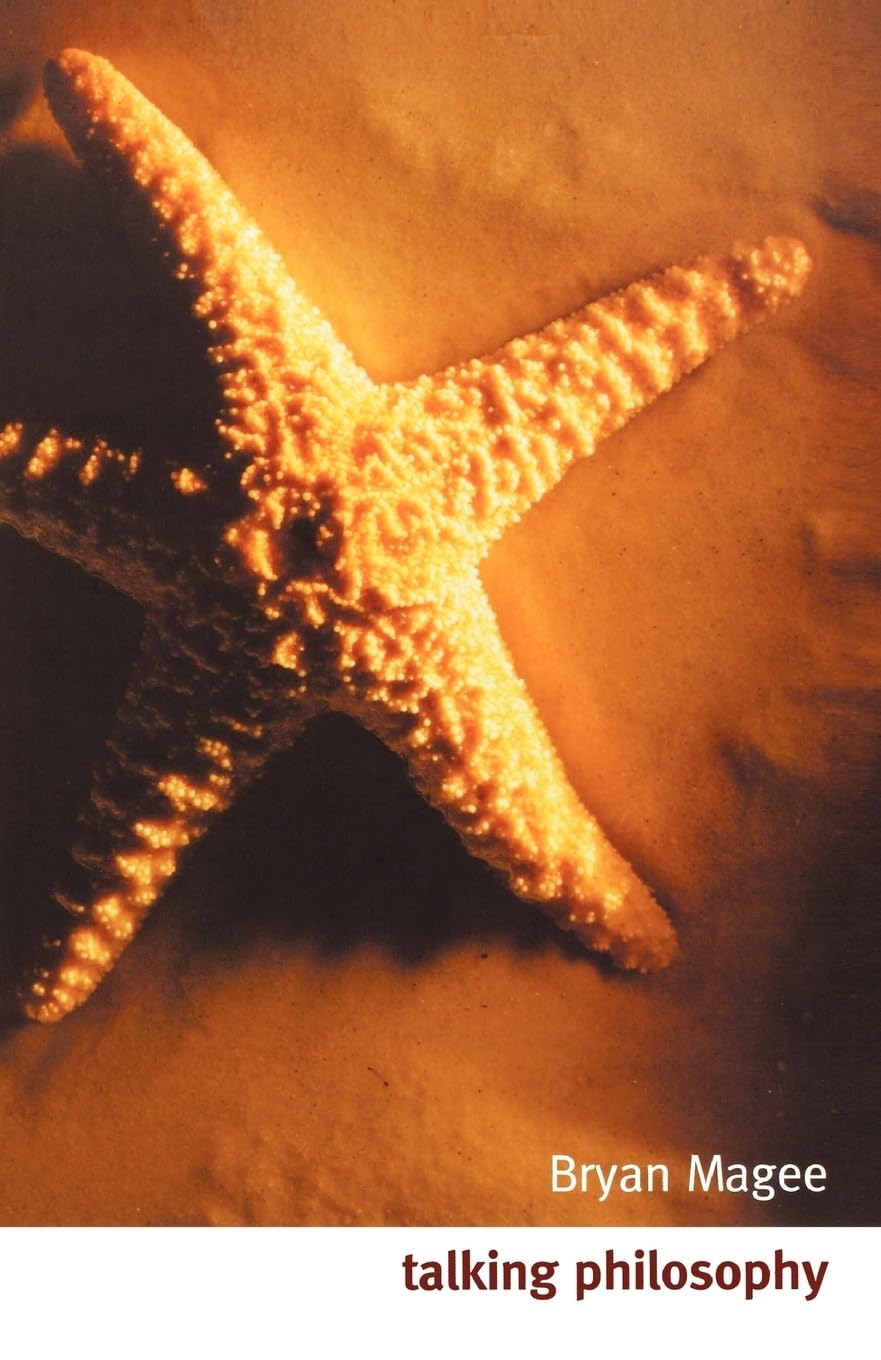
The image displays the front cover of the book 'Talking Philosophy: Dialogues with Fifteen Leading Philosophers'. The cover features the title prominently, along with the author's name, Bryan Magee. The design is simple, focusing on typography and a subtle background.
Getting Started with Your Book
To begin, ensure you have a comfortable reading environment. This book is designed for both casual reading and in-depth study.
- Zvijairire: Review the list of philosophers and their respective dialogue topics to identify areas of particular interest.
- Kuverenga Maererano Nenyaya: While each dialogue stands alone, understanding the historical and philosophical context of each thinker can enhance comprehension.
- Kunyora-Kutora: Consider keeping notes on key concepts and arguments presented by each philosopher to aid retention and reflection.
Engaging with the Philosophical Discussions
The book's format as dialogues facilitates understanding complex ideas through a question-and-answer approach. Bryan Magee's role is to guide the conversation and clarify points for the reader.
- Kuverenga Nekushingaira: Approach each dialogue with an inquisitive mind. Consider the questions Magee poses and how the philosopher responds.
- Identify Core Arguments: For each philosopher, try to identify their central thesis and the supporting arguments they present.
- Reflect and Compare: After reading a dialogue, reflect on the ideas presented. How do they relate to other philosophical concepts or to your own understanding of the world? Compare and contrast the views of different philosophers on similar topics.
- Kuverengazve: Due to the depth of the content, re-reading certain dialogues or sections may be beneficial for deeper understanding.
Kuchengeta uye Kuchengeta
To ensure the longevity of your paperback copy, follow these simple guidelines:
- Kuchengeta: Store the book in a cool, dry place away from direct sunlight to prevent page yellowing and cover degradation.
- Kubata: Handle with clean, dry hands. Avoid bending the cover or pages excessively to preserve the binding.
- Dziviriro: If transporting, consider using a protective sleeve or bag to prevent damage.
Addressing Common Questions
This section provides guidance for common queries that may arise while reading the book.
- Difficulty Understanding a Concept: If a philosophical concept is unclear, try re-reading the specific passage. Often, Magee provides context or rephrases questions to aid comprehension. External resources or a dictionary of philosophical terms may also be helpful.
- Tiny Print: Some readers have noted the small font size. If readability is an issue, consider using a reading light or a magnifying glass to reduce eye strain.
- Finding Related Works: The book mentions numerous philosophers and their works. Use the names and concepts as starting points for further exploration into specific areas of philosophy.
Zvigadzirwa Zvinotsanangurwa
| Property | Detail |
|---|---|
| Muparidzi | Oxford University Press |
| Publication Date | Gumiguru 18, 2001 |
| Mutauro | Chirungu |
| Dhinda Kureba | 288 mapeji |
| ISBN-10 | 0192854178 |
| ISBN-13 | 978-0192854179 |
| Item Weight | 8 ounces |
| Dimensions | 7.8 x 5.14 x 0.76 inches |
Warranty uye Rutsigiro Ruzivo
As a published book, 'Talking Philosophy: Dialogues with Fifteen Leading Philosophers' does not typically come with an explicit manufacturer's warranty in the traditional sense of electronic devices or appliances. For issues related to printing defects or damage upon receipt, please contact the retailer from whom the book was purchased.
For academic inquiries or further information about the content, you may refer to the publisher, Oxford University Press, or seek out additional works by Bryan Magee and the featured philosophers.


