1. Nhanganyaya
This user manual provides essential information for the safe and effective use of the Connect 30679 5A Domestic Mains Fuse. Please read this manual thoroughly before installation and operation to ensure proper function and safety.
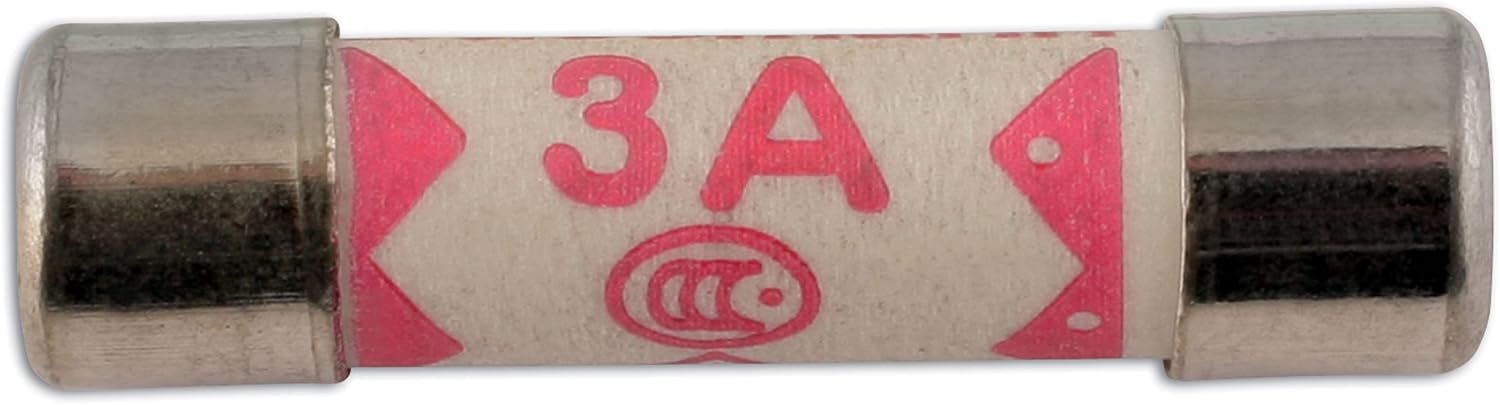
Image 1: Connect 5A Domestic Mains Fuse, a cylindrical component with metal caps on both ends and a '3A' marking (representing a fuse of this type, for a 5A product).
2. Safety Information
Always prioritize safety when working with electrical components. Disconnect power before handling fuses. Fuses are critical safety devices designed to protect electrical circuits from overcurrent. Using incorrect fuse ratings can lead to electrical hazards, fire, or damage to equipment.
- Kudzima Simba: Always ensure the power supply to the circuit is completely disconnected before attempting to replace or inspect a fuse.
- Correct Rating: Never bypass a fuse or use a fuse with a higher amperage rating than specified for the circuit. This can lead to severe damage or fire.
- Professional Consultation: If you are unsure about any aspect of fuse replacement or electrical work, consult a qualified electrician.
3. Setup uye Kuiswa
The Connect 30679 5A Domestic Mains Fuse is designed for plug mount applications, commonly found in standard electrical plug tops or certain appliances. Follow these steps for proper installation:
- Identify Fuse Holder: Locate the fuse holder within the electrical plug or appliance. This is typically a small compartment that can be opened or unscrewed.
- Bvisa Simba: Ensure the device is unplugged from the mains power supply.
- Remove Old Fuse (if applicable): Carefully remove the existing fuse. Note its physical size and amperage rating for comparison.
- Isa Fuse Itsva: Insert the Connect 30679 5A Domestic Mains Fuse into the fuse holder. Ensure it is seated firmly and correctly, making good contact with the terminals.
- Chibatiso Chakachengeteka: Close the fuse compartment or re-screw the cover securely.
- Muedzo: Reconnect power and test the circuit to ensure proper operation of the device.
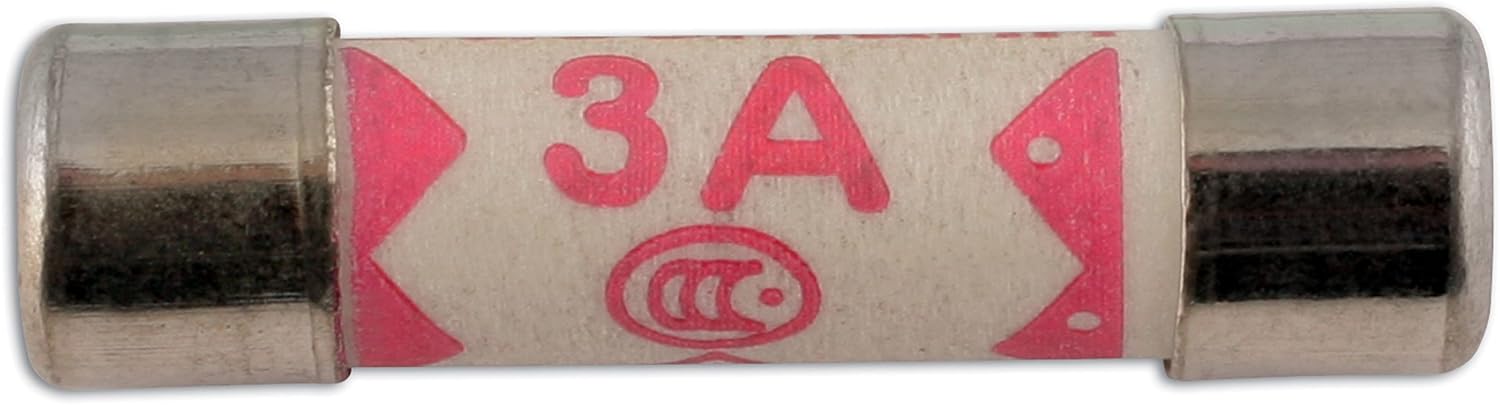
Mufananidzo 2: A pedyo-up view of the 5A Domestic Mains Fuse, highlighting its cylindrical shape and metal end caps.
4. Operating Principles
A fuse operates as a sacrificial device designed to protect an electrical circuit from excessive current. Inside the fuse is a thin wire or filament with a specific melting point. When the current flowing through the fuse exceeds its rated ampkutsamwa (5 Amps for this model) for a predetermined duration, the internal wire heats up and melts, creating an open circuit. This action immediately stops the flow of electricity, preventing damage to connected appliances, wiring, or potential fire hazards. Once a fuse blows, it must be replaced with a new one of the identical rating.
5. Kuchengeta
Fuses are passive components and generally require no routine maintenance other than replacement when they blow. However, periodic inspection of the fuse holder and surrounding connections can help ensure optimal performance and safety.
- Kutsiva: Always replace a blown fuse with a new fuse of the exact same amperage rating (5 Amps) and physical dimensions. Using a fuse with a different rating can compromise safety.
- Kuchenesa: Ensure the fuse holder contacts are clean and free from dust, dirt, or corrosion. Clean contacts ensure a good electrical connection and prevent overheating.
- Kuongorora: Periodically inspect the fuse holder for any signs of damage, such as cracks, discoloration, or loose connections.
6. Kugadzirisa matambudziko
The primary troubleshooting scenario for a fuse is when it blows. If a fuse blows repeatedly, it indicates an underlying electrical problem that must be investigated and resolved.
| Dambudziko | Zvinogona Kukonzera | Solution |
|---|---|---|
| Device not powering on after fuse replacement. | Incorrect fuse rating, faulty new fuse, or underlying electrical issue in the device/circuit. | Verify the new fuse is indeed 5 Amps. Ensure the fuse is properly seated. Check for other electrical faults in the device or circuit. |
| Fuse blows immediately after replacement. | Severe short circuit or persistent overload in the electrical circuit. | Do not replace the fuse again immediately. This indicates a serious electrical fault. Disconnect the device from power and consult a qualified electrician to diagnose the underlying issue. |
| Fuse appears intact but device is not working. | Poor contact in the fuse holder, or the problem is unrelated to the fuse itself. | Ensure the fuse is clean and making good contact within its holder. Check other components of the device or the power supply for faults. |
7. Zvinotsanangurwa
Key specifications for the Connect 30679 5A Domestic Mains Fuse:
- Muenzaniso: 30679
- Brand: Connect
- Type: Domestic Mains Fuse
- Chiyero Chazvino: 5 Amps
- Mounting Type: Plug Mount
- Material: Polycarbonate
- Anenge Makura (L x W x H): 0.79 x 4.33 x 6.3 inches (Note: These dimensions likely refer to the packaging for a pack of fuses, not a single fuse.)
- Huremu hweChinhu Chinofungidzirwa: 4.2 ounces (Note: This weight likely refers to the packaging for a pack of fuses.)
- Pack Quantity: 50 zvidimbu
Please note that the dimensions and weight provided are typically for the product packaging containing multiple fuses, not for a single fuse unit.
8. Warranty uye Tsigiro
As a consumable electrical component, individual fuses typically do not carry an extended warranty. However, Connect Workshop Consumables is committed to providing quality products.
For any concerns regarding product quality, manufacturing defects, or general support, please refer to the retailer's return policy or contact Connect Workshop Consumables directly through their official channels. Keep your purchase receipt as proof of purchase.
For further assistance or to find more information about Connect products, please visit the official Connect website.


