1. Nhanganyaya
This manual provides essential information for the safe and efficient installation, operation, and maintenance of the ROGER TECHNOLOGY R41/830 Electromechanical Motor. This 230V AC irreversible electromechanical motor is designed for fast operation of overhead doors up to 8 square meters. It operates without a central control unit, utilizing mechanical micro-switches for control. Please read this manual thoroughly before proceeding with any installation or operation.
2. Safety Information
Yakakosha Mirayiridzo Yekuchengetedza:
- Installation and wiring must be performed by qualified personnel in accordance with all local and national electrical codes.
- Bvisa magetsi usati waita chero basa kana kugadzirisa.
- Chengetedza maoko uye zvipfeko zvakasununguka kure nezvikamu zvinofamba.
- Ensure the overhead door is balanced and in good working condition before installing the motor.
- Do not allow children to play with or operate the door opener.
- Regularly inspect the motor and door for signs of wear or damage.
- This motor is designed for overhead doors. Do not use it for other applications.
3. Chigadzirwa Pamusoroview
The ROGER TECHNOLOGY R41/830 is a robust 230V AC electromechanical motor engineered for the automation of overhead doors. Its irreversible design ensures the door remains securely closed when the motor is not active. The motor is characterized by its rapid operation and suitability for doors with a surface area up to 8 square meters. It integrates mechanical micro-switches for precise control of door movement without requiring a separate central control unit.
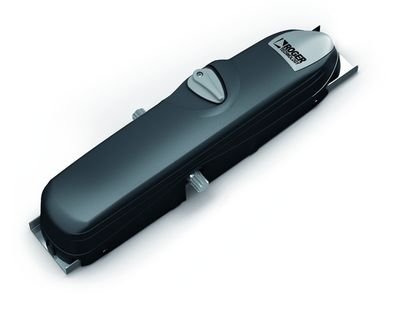
Figure 1: ROGER TECHNOLOGY R41/830 Electromechanical Motor. This image displays the compact design of the motor, highlighting its main casing and mounting points.
4. Setup (Kuisa)
The installation of the R41/830 motor requires careful attention to detail and adherence to electrical safety standards. It is recommended that installation be performed by a certified technician.
- Kugadzirira: Ensure the overhead door is properly balanced and moves freely by hand. Verify that the mounting surface is structurally sound.
- Kuisa Mota: Securely attach the motor to the designated mounting points on the door structure, following the specific instructions provided in the full installation guide (not included in this general manual).
- Mabatirwo emagetsi: Connect the 230V AC power supply to the motor's terminal block. Ensure all connections are tight and properly insulated. Refer to the wiring diagram for correct polarity and connections for the mechanical micro-switches.
- Limit Switch Adjustment: Adjust the mechanical micro-switches to define the open and closed positions of the door. Test these limits carefully to prevent over-travel.
- Kuedza: After installation, perform several test cycles to ensure smooth operation, correct limit switch activation, and proper safety reversal mechanisms (if applicable to the door system).
5. Operating Instructions
The R41/830 motor operates by receiving a signal to open or close the overhead door. Operation is typically initiated via a wall-mounted push button or a remote control (if integrated into the system).
- Kuvhura Door: Press the designated open button. The motor will activate, and the door will move to its fully open position, stopping automatically via the limit switch.
- Kuvhara Door: Press the designated close button. The motor will activate, and the door will move to its fully closed position, stopping automatically via the limit switch.
- Stopping the Door: A second press of the open/close button during movement will typically stop the door.
- Manual Kuburitswa: In case of power failure or malfunction, locate and engage the manual release mechanism (if present on your door system) to operate the door by hand. Refer to your door's specific manual for this procedure.
6. Kuchengeta
Regular maintenance ensures the longevity and safe operation of your ROGER TECHNOLOGY R41/830 motor and overhead door system.
- Kuongorora Kwemwedzi:
- Check the door's balance and smooth movement.
- Inspect all cables, springs, rollers, and hinges for wear or damage.
- Ensure mounting hardware is secure.
- Quarterly Inspection:
- Lubricate moving parts of the door (not the motor itself) as recommended by the door manufacturer.
- Clean any debris from the motor housing and surrounding area.
- Verify that the limit switches are functioning correctly.
- Basa reNyanzvi reGore Negore: It is recommended to have a qualified technician inspect and service the entire door system annually.
Yambiro: Always disconnect power to the motor before performing any maintenance. Do not attempt to repair electrical components unless you are qualified.
7. Kugadzirisa matambudziko
This section provides solutions to common issues. For complex problems, contact a qualified technician.
| Dambudziko | Zvinogona Kukonzera | Solution |
|---|---|---|
| Mota haipindure | No power supply; Faulty wiring; Blown fuse/tripped breaker | Check power connection; Inspect wiring; Reset breaker or replace fuse. |
| Door does not open/close fully | Limit switches incorrectly set; Obstruction in door path; Door balance issue | Adjust limit switches; Remove obstruction; Check door springs/cables. |
| Motor runs but door does not move | Manual release engaged; Mechanical fault in motor or door mechanism | Disengage manual release; Contact technician for mechanical inspection. |
8. Zvinotsanangurwa
| Feature | Detail |
|---|---|
| Model Number | R41/830 |
| Mugadziri | ROGER TECHNOLOGY |
| Voltage | 230 V AC |
| Motor Type | Electromechanical, Irreversible |
| Application | Overhead doors up to 8 sqm surface area |
| Kudzora | Mechanical micro-switches (no central control unit) |
| Mabhatiri Akabatanidzwa | Aihwa |
| Spare Parts Kuwanikwa | Mashoko haapo |
9. Warranty uye Tsigiro
For warranty information, please refer to the documentation provided at the time of purchase or contact your seller directly. ROGER TECHNOLOGY provides support for its products through authorized distributors and service centers. For technical assistance or spare parts inquiries, please contact your local ROGER TECHNOLOGY representative or the point of purchase.


