1. Nhanganyaya
The Joie Stages ISOFIX Car Seat is designed to provide safety and comfort for your child from birth up to approximately 7 years of age. This car seat adapts to your child's growth, functioning as a rearward-facing infant seat, a forward-facing seat, and a Group 2 booster. Please read this manual thoroughly before installation and use to ensure correct usage and maximum safety.

Mufananidzo 1.1: Mberi view of the Joie Stages ISOFIX Car Seat.
2. Safety Information
Kuchengetedzeka kwemwana wako ndiko kwakakosha. Gara uchitevedzera nhungamiro dzinotevera:
- This car seat is certified to ECE R44/04 safety standards.
- Always ensure the car seat is correctly installed and secured in the vehicle before placing your child in it.
- Usambofa wakasiya mwana wako asina kutarisirwa pachigaro chemotokari.
- Ensure the 5-point harness is properly adjusted and snug against your child's body, with no slack.
- The Tri-Protect headrest with Intelli-Fit foam provides enhanced side impact protection. Ensure it is adjusted to the correct height for your child.
- Do not use the car seat if it has been involved in an accident, even if there is no visible damage.
- Refer to your vehicle's owner's manual for information on child restraint installation points.
3. Zvigadzirwa zveChigadzirwa
The Joie Stages ISOFIX Car Seat offers several features designed for safety and convenience:
- ECE R44/04 Certified: Meets European safety standards, including an integrated ISOFIX base.
- Zvakawanda-Stage Shandisa: Suitable rearward-facing up to 18kg (approx. birth to 4 years) and forward-facing from 9-25kg (approx. 1 to 7 years).
- Tri-Protect Headrest: Features 3 layers of security, including patented Intelli-Fit foam and Guard Surround Safety side impact panels for superior head and neck protection.
- Washable Seat Pad: Quick-release, washable seat pad for easy cleaning.
- 7-Position Recline: One-hand, 7-position recline adjustment on the base, usable without reinstalling the seat.
- Mabhatani ePoindi 5: Secure harness system for child restraint.
4. Setup uye Kuiswa
Kuisa zvakanaka kwakakosha pakuchengetedza mwana wako. Tevedzera matanho aya nokungwarira.
4.1 Rearward-Facing Installation (Birth to 18kg)
- Ensure the vehicle seat is suitable for ISOFIX installation.
- Wedzera zvisungo zveISOFIX kubva pachigaro chemota nekudzvanya mabhatani ekuburitsa.
- Align the ISOFIX connectors with the ISOFIX anchorage points in your vehicle and push firmly until they click into place. Green indicators will confirm correct attachment.
- Push the car seat firmly against the vehicle seat back to remove any slack.
- Adjust the load leg to the vehicle floor, ensuring it is firmly planted and the indicator shows green.
- Verify the seat is securely installed by pulling on it. There should be minimal movement.

Mufananidzo 4.1: Kurutivi view illustrating the ISOFIX base and load leg.
4.2 Forward-Facing Installation (9-25kg)
For forward-facing use, the car seat can be installed using either the ISOFIX connectors and top tether (if applicable to your vehicle and seat model) or the vehicle's 3-point seat belt.
4.2.1 ISOFIX Installation (Forward-Facing)
- Follow steps 1-5 from the rearward-facing installation.
- Route the vehicle's top tether strap (if available and required by your vehicle) through the designated path on the car seat and attach it to the vehicle's top tether anchorage point. Tighten until secure.
4.2.2 Vehicle Seat Belt Installation (Forward-Facing)
- Place the car seat on the vehicle seat, ensuring it is stable.
- Route the vehicle's 3-point seat belt through the designated belt guides on the car seat. Refer to the labels on the car seat for the correct belt path.
- Buckle the vehicle seat belt and pull it tight to remove all slack. Ensure the car seat is firmly secured and does not move excessively.
5. Operating Instructions
5.1 Securing Your Child with the 5-Point Harness
- Isa mwana wako pachigaro chemotokari.
- Bring the two buckle tongues together and insert them into the buckle until they click.
- Pull the harness adjustment strap to tighten the harness until it is snug against your child's body. Ensure you can only fit one finger between the harness and your child's collarbone.
- To loosen the harness, press the harness release button (usually located near the crotch buckle) and pull the shoulder straps outwards.

Image 5.1: Detail of the 5-point harness buckle.
5.2 Adjusting the Headrest and Harness Height
The headrest and harness height adjust simultaneously. Ensure the shoulder straps are at or just below your child's shoulders when rearward-facing, and at or just above when forward-facing.
- Locate the headrest adjustment lever at the top of the headrest.
- Dzvinya chibatiso wobva waisa musoro wemunhu kumusoro kana pasi kusvika panzvimbo yaunoda.
- Release the lever to lock the headrest in place.
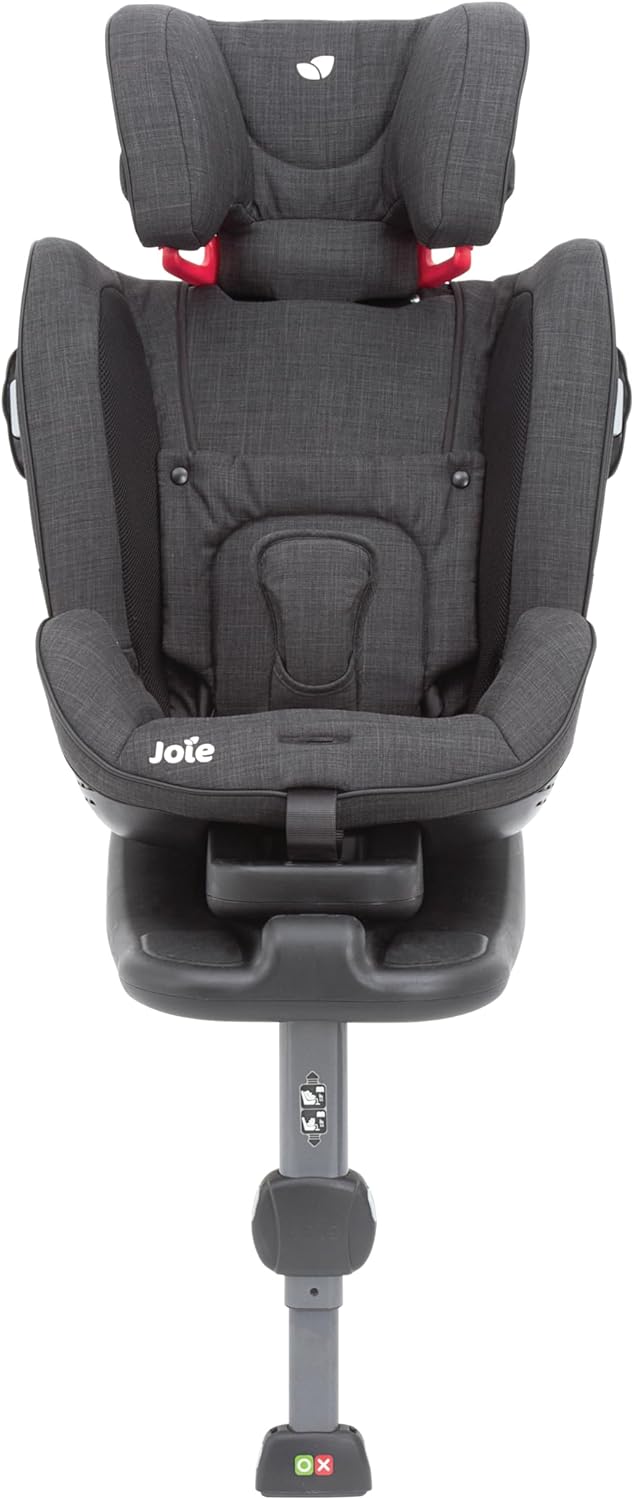
Image 5.2: Headrest adjusted to a higher position.
5.3 Adjusting the Recline Position
The car seat features a 7-position recline that can be adjusted with one hand without reinstalling the seat.
- Locate the recline adjustment handle at the front of the car seat base.
- Pull the handle and simultaneously push or pull the car seat to the desired recline position.
- Release the handle to lock the recline in place.

Image 5.3: Recline adjustment mechanism.
6. Kuchengeta
Kugara uchigadzirisa kunovimbisa hupenyu hurefu uye hutsanana hwechigaro chako chemotokari.
- Kuchenesa Chigaro Chekugara: The seat pad is quick-release and washable. Refer to the care label on the fabric for specific washing instructions (typically machine wash cold on a delicate cycle). Do not use bleach. Air dry only.
- Cleaning the Harness: Pukuta tambo dzemabhanhire neadamp cloth and mild soap. Do not machine wash or submerge the harness straps, as this can weaken the material.
- Cleaning Plastic and Metal Parts: Wipe plastic and metal parts with a damp jira uye sipo nyoro. Usashandise abrasive cleaners kana solvents.
- Kuchengeta: Store the car seat in a cool, dry place away from direct sunlight when not in use.
7. Kugadzirisa matambudziko
If you encounter issues with your car seat, refer to the following common solutions:
- Chigaro Chemota Chinonzwa Kusununguka Mushure mekuiswa: Recheck all installation steps. Ensure ISOFIX connectors are fully engaged (green indicators visible) and the load leg is firmly planted. If using a seat belt, ensure it is pulled taut and routed correctly through all guides.
- Harness is Difficult to Tighten/Loosen: Check for any twists in the harness straps. Ensure the harness release button is fully pressed when loosening. The harness should move freely.
- Child's Head Slumps Forward: Ensure the recline position is appropriate for your child's age and the installation mode (rearward-facing often requires a more reclined position). Adjust the headrest to provide proper support.
- Buckle Not Engaging: Ensure both buckle tongues are fully inserted into the buckle until a distinct click is heard. Check for any debris obstructing the buckle mechanism.
8. Zvinotsanangurwa
| Model Number | I1507AAPAV000 |
| Brand | Joie |
| Zviyero zveChigadzirwa (L x W x H) | 77 x 65 x 52 cm |
| Item Weight | 8.2 makirogiramu |
| Kuumbwa Kwezvinhu | Simbi, Plastiki |
| Target Gender | Unisex |
| Rear-Yakatarisana Huremu hweMwana | Kusvika 18 Kilograms |
| Pamberi-Yakatarisana Huremu hweMwana | 9 - 25 Makirogiramu |
| Maximum Height Recommendation | 105 masendimita |
| Harness Type | 5-Point |
| Installation Type | ISOFIX (with load leg) or Vehicle Seat Belt |
| Safety Standard | ECE R44/04 |

Image 8.1: Product dimensions overview.
9. Warranty uye Tsigiro
The Joie Stages ISOFIX Car Seat comes with a Garandi yeGore Rimwe Yemunharaunda (Singapore). For warranty claims or technical support, please retain your proof of purchase and contact the authorized Joie distributor or retailer in your region. For general inquiries, you may visit the official Joie websaiti kana kubata dhipatimendi ravo rebasa revatengi.