1. Nhanganyaya
The Retekess TD021 RF Wireless Repeater is designed to extend the signal range of 433 MHz wireless calling systems. This device amplifies the signal from wireless transmitters, such as call buttons, allowing it to reach receivers over longer distances or through obstacles like walls. It is an essential component for optimizing communication efficiency in various settings, including restaurants, hospitals, and other service-oriented environments.
2. Chigadzirwa Pamusoroview
2.1 Package Zviri mukati
Tarisa uone kuti zvinhu zvese zviripo mupakeji:
- 1 x Retekess TD021 RF Wireless Repeater
- 1 x Power Adapter
- 1 x Chinyorwa cheMushandisi

Figure 1: Package Contents - Repeater, Power Adapter, and Manual.
2.2 Device Components
Familiarize yourself with the main components of the TD021 repeater:
- Telescopic Antennas: Two external antennas for signal transmission and reception.
- Power Indicator Light (Red): Inovhenekera kana mudziyo wabatidzwa.
- Signal Transmission Indicator (Green): Flashes when a signal is being transmitted.
- Charging Port (DC 12V): Yekubatanidza iyo adapta yemagetsi.
- 8-Bit Dialing Switch (DIP Switch): Used for configuring the repeater's settings.

Figure 2: Product Details - Key components of the TD021 Repeater.
2.3 Mamiriro Akakosha
- Extended Range: Doubles the signal distance of wireless call systems.
- Kuenderana Kwepamusoro: Works with all Retekess or Tivdio wireless call systems operating at 433 MHz.
- Compact Design: Small dimensions (approximately 99mm x 70mm x 25mm) for flexible placement.
- Cascading Capability: Multiple repeaters can be used in series to further extend coverage.
- Kuisa Nyore: Maitiro ekugadzirisa ari nyore.

Figure 3: Small Size Design - Dimensions and mounting options.
3. Zvinotsanangurwa
| Feature | Detail |
|---|---|
| Brand | Retekess |
| Model Number | EUF4408A |
| Color | Nhema |
| Special Features | Wireless |
| Inowirirana Devices | Devices with 433 MHz frequency and compatible radio standard |
| Wireless Kutaurirana Standard | Radio Frequency |
| Item Weight | 97 magiramu |
| Zviyero zveChigadzirwa (L x W x H) | 99mm x 70mm x 25mm |
| Inotsigirwa Frequency Mabhendi | 433 MHz |
| Range | Kusvika mamita masere (munzvimbo yakashama) |
4. Setup
4.1 Kuiswa
Optimal placement is crucial for maximum signal extension. Position the repeater between the wireless transmitter (e.g., call button) and the receiver (e.g., display screen or watch pager) in an area where the signal from the transmitter starts to weaken. Avoid placing it near large metal objects or other sources of electromagnetic interference.
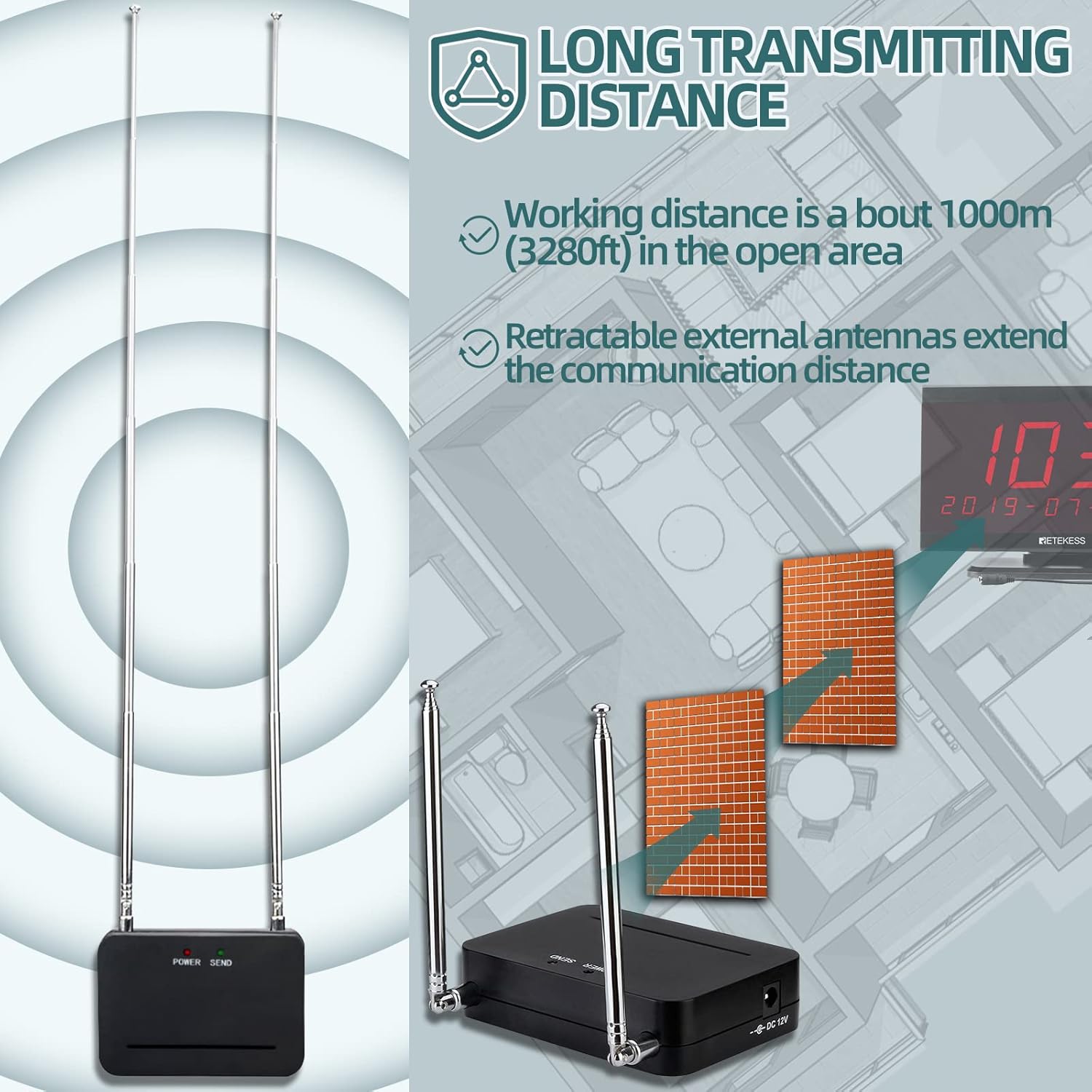
Figure 4: Long Transmitting Distance - Illustrates signal extension through obstacles.
For very large areas or complex layouts, multiple repeaters can be cascaded. Place each repeater within the extended range of the previous one to create a chain of signal ampliification.

Figure 5: Cascading Design - Adding multiple repeaters for wider coverage.
4.2 Simba Connection
- Connect the provided power adapter to the DC 12V charging port on the repeater.
- Batanidza dhiraivha yemagetsi mugetsi remagetsi.
- The red SIMBA indicator light will illuminate, indicating the device is receiving power.
4.3 DIP Switch Configuration
The 8-bit DIP switch on the back of the repeater is used to set its operating mode or code, ensuring compatibility with your existing wireless calling system. Refer to your specific call system's manual for the correct DIP switch settings. Generally, the repeater's DIP switch settings should match those of the transmitters and receivers it is intended to work with.
- Use a small tool (e.g., a pen tip) to adjust the individual switches to the ON or OFF position as required.
- Ensure the settings are identical to your call system components for proper functionality.

Figure 6: DIP Switch - Configuration for system compatibility.
5. Operating Instructions
5.1 Basic Operation
Once the repeater is powered on and configured with the correct DIP switch settings, it operates automatically:
- When a wireless call signal from a compatible transmitter is detected within the repeater's range, the repeater will receive it.
- The repeater then re-transmits the amplified signal. During re-transmission, the green SEND mwenje wechiedza uchapenya.
- The amplified signal can then reach receivers that were previously out of range or experiencing weak signals.

Figure 7: Signal Extension Principle - How the repeater doubles transmission distance.
5.2 Kuenderana
The TD021 repeater is designed to be highly compatible with various 433 MHz wireless calling devices, including different types of call buttons and display receivers or watch pagers from Retekess and Tivdio.

Figure 8: Compatible Products - Examples of devices that work with the repeater.
6. Kuchengeta
- Kuchenesa: Use a soft, dry cloth to clean the exterior of the repeater. Do not use liquid cleaners or abrasive materials.
- Environment: Chengetedza mudziyo munzvimbo yakaoma, kure nezuva rakananga, tembiricha yakanyanyisa, uye hunyoro hwepamusoro.
- Antennas: Ensure the telescopic antennas are not bent or damaged. Extend them fully for optimal performance.
- Magetsi: Only use the original power adapter provided with the device.
7. Kugadzirisa matambudziko
7.1 Hapana Simba
- Tarisa Power Connection: Ensure the power adapter is securely plugged into both the repeater and the electrical outlet.
- Simbisa Nzvimbo Yokubuditsa: Edza soketi yemagetsi nemumwe mudziyo kuti uone kuti inoshanda.
- Power Adapter: Ensure the power adapter is not damaged.
7.2 Signal Not Extending
- DIP Switch Settings: Confirm that the 8-bit DIP switch settings on the repeater match those of your transmitters and receivers. Incorrect settings are a common cause of signal issues.
- Repeater Placement: Reposition the repeater. It should be placed within the range of the transmitter and also within range of the receiver. Avoid obstacles like thick walls or metal structures.
- Antennas: Ensure both telescopic antennas are fully extended and oriented correctly.
- Kupindira: Move the repeater away from other electronic devices that might cause interference.
- Transmitter/Receiver Functionality: Verify that the original transmitters and receivers are working correctly without the repeater.
7.3 Intermittent Signal
- Distance: The repeater might be at the edge of the signal range. Try moving it closer to either the transmitter or receiver.
- Zvipingamupinyi: Environmental factors such as thick walls, metal structures, or other radio frequency devices can cause intermittent signals. Adjust placement to minimize these obstructions.
- Simba Kugadzikana: Ensure the power supply is stable and not fluctuating.
8. Warranty uye Tsigiro
8.1 Ruzivo rweWaranti
Retekess offers a 2-makore waranti for this product, along with a Mutemo wemazuva makumi matatu wekudzorera zvinhu pasina chikonzero. This warranty covers manufacturing defects and malfunctions under normal use.
8.2 Post-Warranty Service
Beyond the warranty period, Retekess continues to offer maintenance services. Buyers are responsible for any corresponding costs associated with repairs or parts after the warranty expires.
8.3 Mutengi Tsigiro
For any questions, technical assistance, or warranty claims, please contact Retekess customer support through Amazon. We aim to respond to all inquiries within 12 hours.


