Nhanganyaya
Welcome to the Vangoa VF-1 C Flute instruction manual. This guide provides essential information for assembling, playing, maintaining, and troubleshooting your new instrument. The Vangoa VF-1 C Flute is designed for beginners and students, featuring 16 closed keys and a durable nickel-plated cupronickel body for clear sound production and ease of use.
Please read this manual carefully to ensure proper handling and to maximize your learning experience.
Zvigadzirwa Zvikamu
Your Vangoa VF-1 C Flute package includes the following items:
- C Flute (16 closed keys)
- Yakaoma Kutakura Nyaya
- Flute Stand
- Cleaning Rod
- Kuchenesa Mucheka
- Magirovhosi
- Cleaning Kit (screwdriver, key brush, swab)

Figure 1: Vangoa VF-1 C Flute with its hard case and various accessories.
Setup uye Assembly
The Vangoa VF-1 C Flute consists of three main parts: the headjoint, the body, and the footjoint. Follow these steps to assemble your flute:
- Attach the Headjoint: Gently twist the headjoint onto the main body of the flute. Align the embouchure hole with the first key on the body. Avoid excessive force.
- Attach the Footjoint: Carefully twist the footjoint onto the other end of the main body. Ensure the rod on the footjoint aligns with the key on the body.
- Tarisa Kuenderana: Once assembled, ensure all parts are securely connected and the keys operate smoothly without obstruction.

Figure 2: The Vangoa VF-1 C Flute assembled and ready for use, shown with its protective hard case.
Operating Instruction
Embouchure and Sound Production
The embouchure is crucial for producing a clear sound.
- Lip Plate Placement: Rest the lip plate against your chin, just below your lower lip.
- Embouchure Hole: Position your lower lip to cover about one-quarter to one-third of the embouchure hole.
- Air Stream: Direct a focused, steady stream of air across the embouchure hole, aiming for the opposite edge. Experiment with the angle and speed of your air to produce a clear tone.

Mufananidzo 3: Detailed view of the embouchure hole and lip plate, illustrating the correct air direction for sound production.
Finger Placement and Key Mechanisms
The Vangoa VF-1 features 16 closed keys, an offset G mechanism, and a split E mechanism, designed for easier playability, especially for beginners.
- Closed Holes: The closed-hole design simplifies finger placement as you do not need to perfectly cover open holes. Press the keys firmly to ensure a complete seal.
- Offset G Keys: The offset G key design provides a more natural and ergonomic hand position, reducing strain during play.
- Split E Mechanism: This mechanism improves the response and stability of the high E note, making it easier to play.
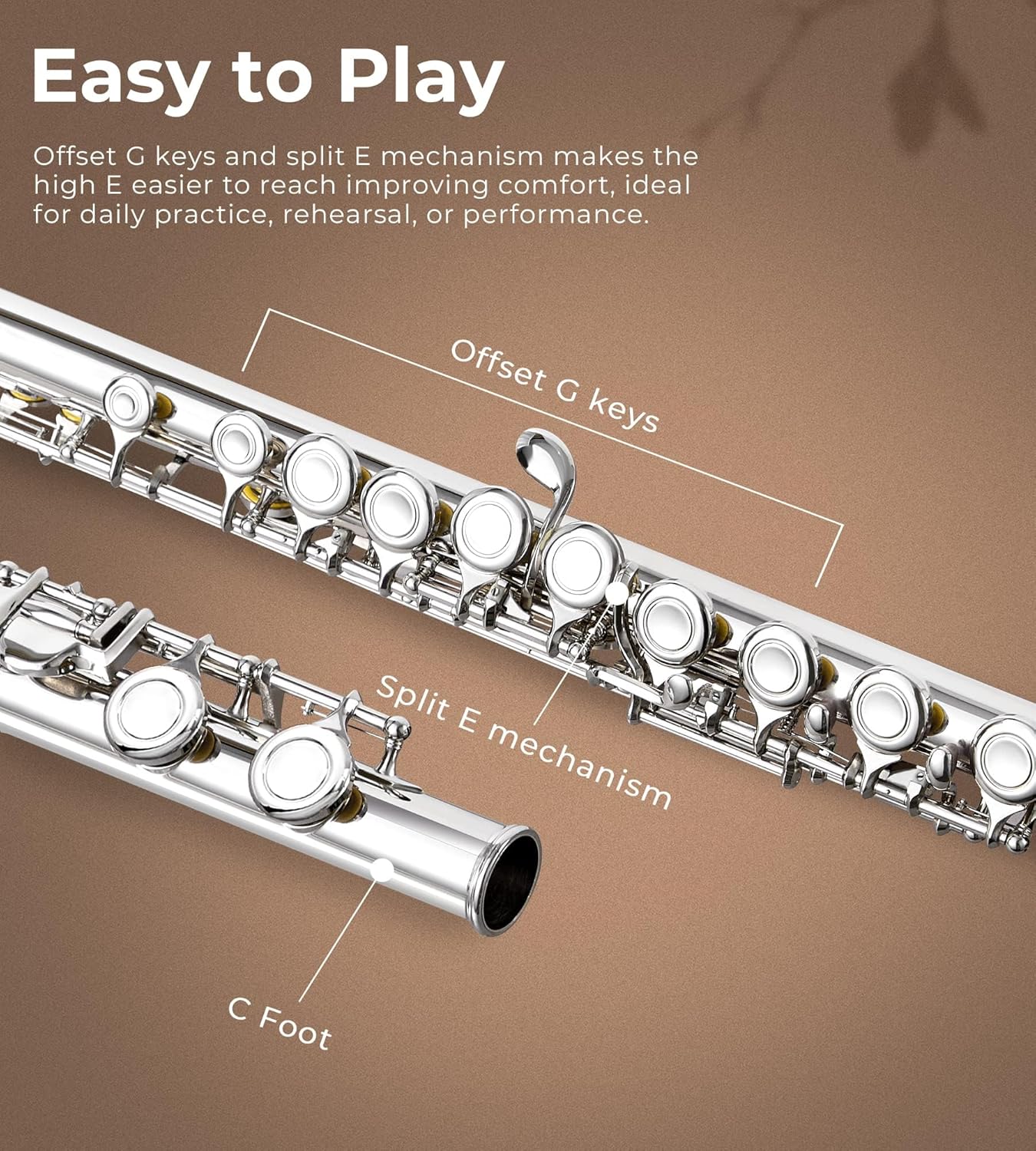
Figure 4: Illustration of the flute's keywork, showing the offset G keys and the split E mechanism for improved ergonomics and playability.
Maintenance and Care
Regular maintenance is essential to keep your flute in optimal playing condition and extend its lifespan.
- Mushure meKushandisa Kwese:
- Use the cleaning rod with the cleaning cloth to swab out moisture from the inside of the headjoint, body, and footjoint.
- Gently wipe the exterior of the flute with a soft, dry cloth to remove fingerprints and oils.
- Avoid touching the pads directly, as oils can degrade them.
- Key Pads: The flute features high-quality sheep casing pads. If a pad becomes sticky, gently clean it with a piece of lint-free paper (like cigarette paper) placed under the pad and lightly pressed.
- Kuchengeta: Always store your flute in its hard carrying case when not in use. This protects it from dust, impacts, and temperature fluctuations.
- Yekuchenesa Kit: Utilize the provided cleaning kit, including the screwdriver for minor adjustments (if necessary, consult a professional), and the key brush for cleaning around the keys.
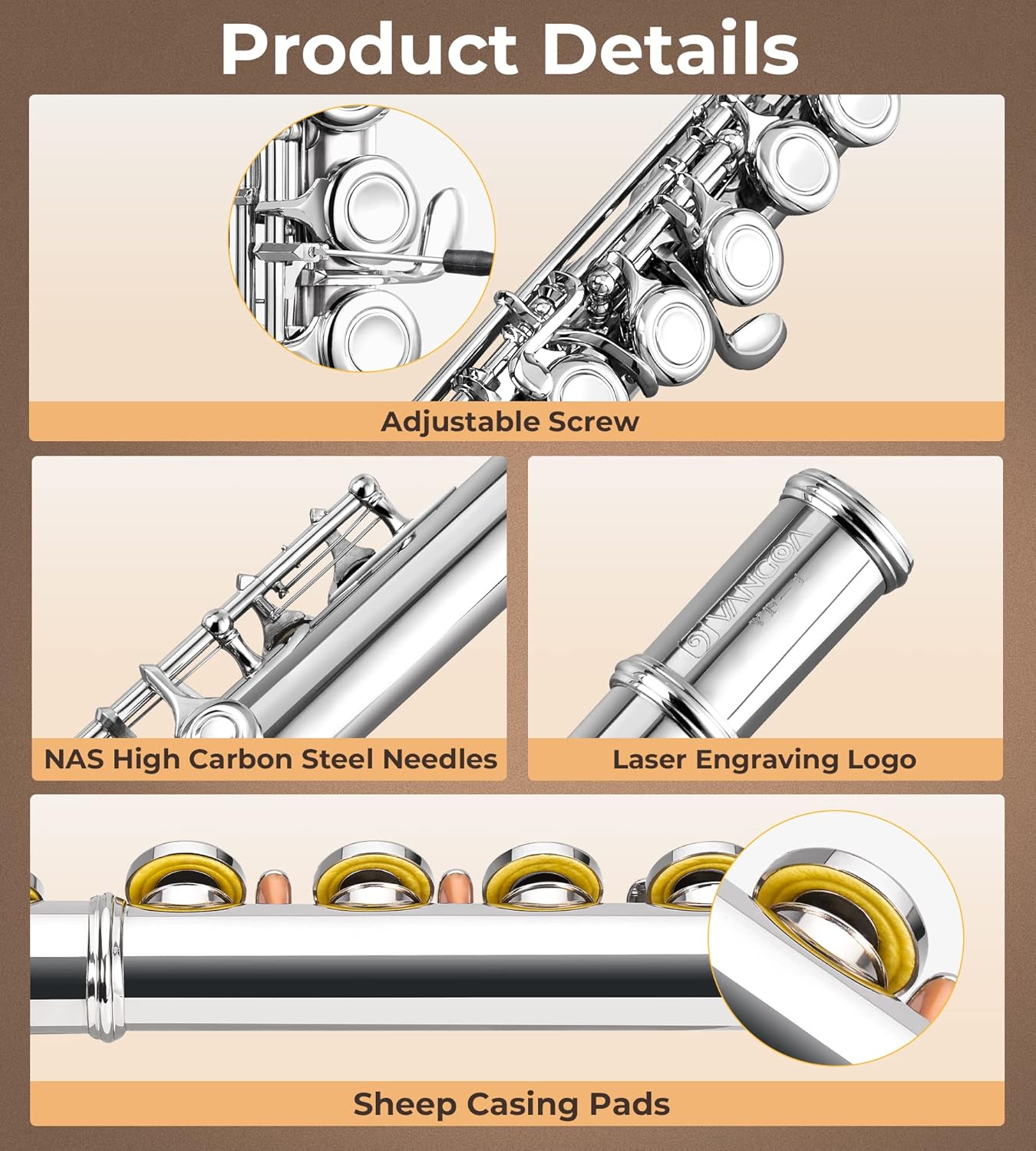
Figure 5: Internal components of the flute, including adjustable screws, high carbon steel needles, and sheep casing pads, which require careful maintenance.
Kugadzirisa matambudziko
| Dambudziko | Zvinogona Kukonzera | Solution |
|---|---|---|
| Difficulty producing sound | Incorrect embouchure, insufficient air support, or air leaks. | Review embouchure instructions (Figure 3). Ensure lips are firm and air stream is focused. Check that all keys are fully closed when pressed. |
| Makiyi anonamira | Moisture or residue on pads. | Clean pads with lint-free paper. Ensure flute is thoroughly dried after each use. |
| Poor tone quality (airy, flat, sharp) | Improper embouchure, air speed, or flute assembly. | Adjust lip position and air stream. Ensure flute sections are fully assembled and aligned. Consult a flute teacher for personalized guidance. |
| Loose or rattling keys | Screws may have loosened. | Use the provided screwdriver for minor tightening. If unsure, seek professional repair to avoid damage. |
Zvinotsanangurwa
| Model Number | VF-1 |
| Brand | Vangoa |
| Key | C |
| Key Type | 16 Closed Keys |
| Body Material | Nickel-plated Cupronickel |
| Color | Sirivha |
| Dimensions (L x W x H) | 40 x 14 x 8 cm (product in case) |
| Item Weight | 1.05 makirogiramu |
| Inosanganisirwa Zvikamu | Flute, Hard Case, Stand, Cleaning Rods, Gloves, Cleaning Kit |
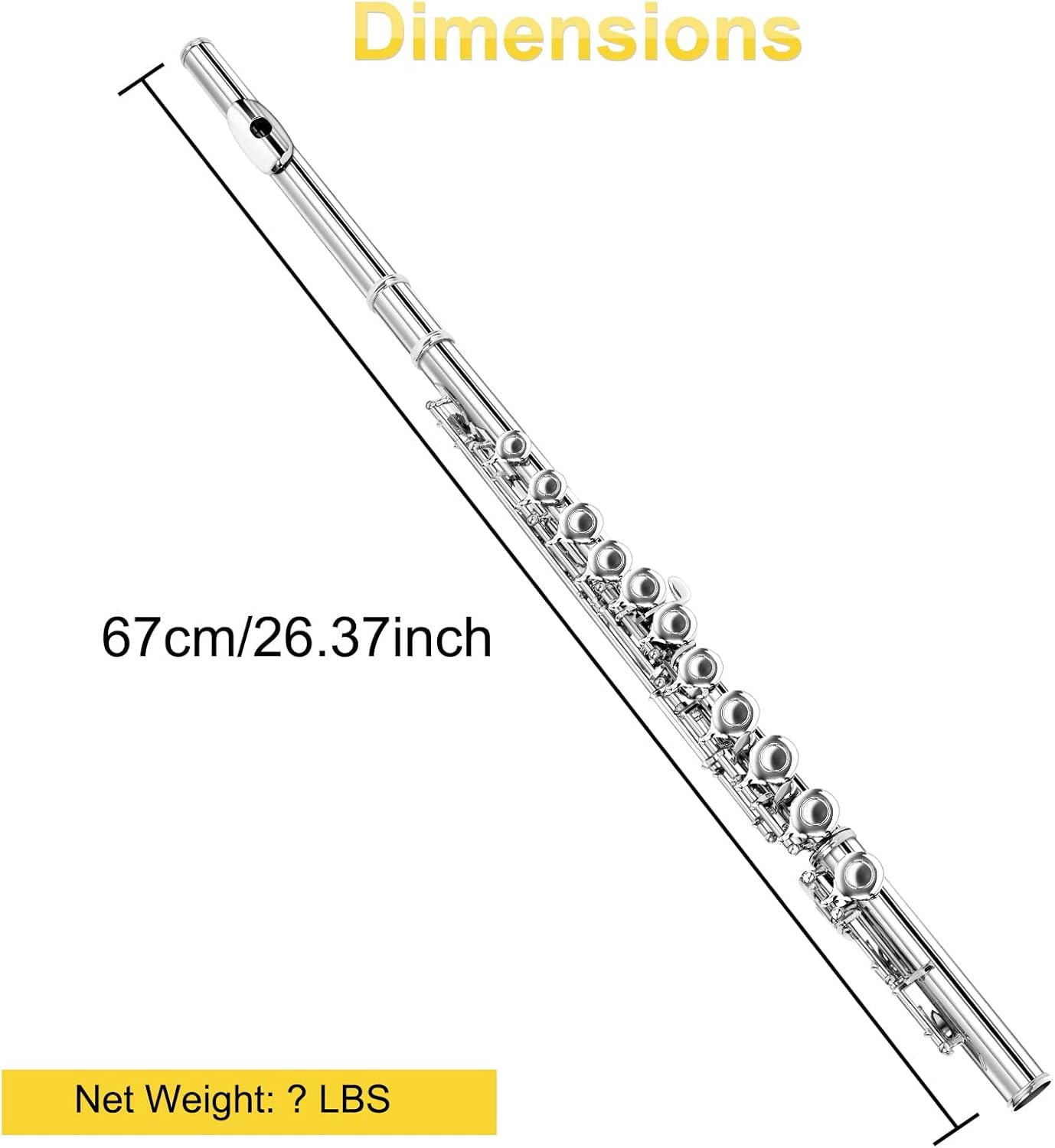
Figure 6: The overall length of the Vangoa VF-1 C Flute is approximately 67 cm (26.37 inches).
Warranty uye Support
For any questions, concerns, or support regarding your Vangoa VF-1 C Flute, please contact Vangoa customer service. Refer to your purchase documentation for specific warranty details and contact information.
You can often find support resources and contact details on the official Vangoa website or through the retailer where you purchased the instrument.


