1. Nhanganyaya
This manual provides essential instructions for the safe and effective operation of your HTRC 3-Amp 6V/12V Smart Automatic Battery Charger and Maintainer, Model 3A-Z. This device is designed to charge and maintain various 6V and 12V batteries, including Lead-Acid (AGM, GEL, STD, Flooded, WET, EFB), Lithium, and LiFePO4 types. Please read this manual thoroughly before use and retain it for future reference.

Image 1.1: The HTRC 3-Amp 6V/12V Smart Automatic Battery Charger and Maintainer with alligator clips and ring terminals.
2. Mirayiridzo Yekuchengetedza
YAmbiro: Verenga yambiro dzese dzekuchengetedza nemirairo. Kutadza kutevedzera yambiro nemirairo kunogona kukonzera kuvhunduka kwemagetsi, moto, uye/kana kukuvara kwakanyanya.
- Nguva dzose pfeka zvinodzivirira maziso uye zvipfeko zvinodzivirira paunenge uchishanda nemabhatiri.
- Iva nechokwadi chekuti nzvimbo yekuchaja ine mhepo inofefetera zvakanaka.
- Never charge a frozen battery. Allow it to warm to room temperature first.
- Chengeta charger kure nezvinhu zvinobvira moto nemvura.
- Usashandise charger kana yarohwa zvakanyanya, yadonha, kana neimwe nzira kukuvara.
- Bvisa simba reAC usati wagadzira kana kupaza zvinongedzo kubhatiri.
- Usaedze kuchaja mabhatiri asingachajikizve.
- This charger is not intended for use by persons (including children) with reduced physical, sensory, or mental capabilities, or lack of experience and knowledge, unless they have been given supervision or instruction concerning use of the appliance by a person responsible for their safety.
3. Package Zviri mukati
Ona kuti zvinhu zvese zviripo mupasuru yako:
- HTRC 3-Amp 6V/12V Smart Automatic Battery Charger (Model 3A-Z)
- DC Output Cable with Alligator Clips
- DC Output Cable with Ring Terminals
- Bhuku reMirayiridzo
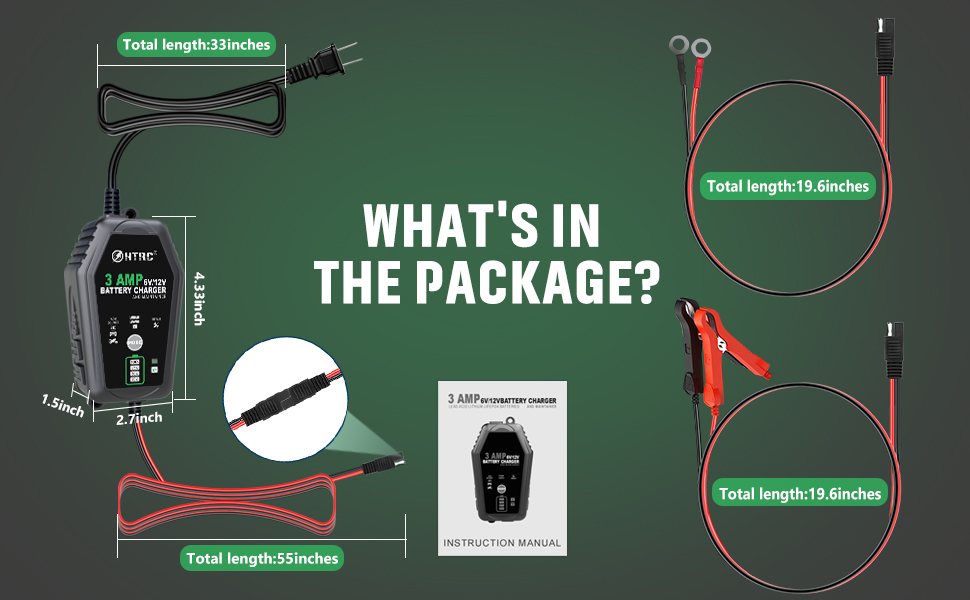
Image 3.1: Illustration of the HTRC 3-Amp battery charger and its included accessories.
4. Zvigadzirwa zveChigadzirwa
- Kukodzera Kwose: Charges 6V and 12V batteries, including Lead-Acid (AGM, GEL, STD, Flooded, WET, EFB), Lithium, and LiFePO4.
- Smart Charging Modes: Features dedicated modes for different battery types and a repair mode.
- Automatic Temperature Compensation: Adjusts charging parameters for optimal performance in hot (up to 104°F/40°C) and cold (down to 58°F/10°C) climates, preventing over- or under-charging.
- Multi-Level Safety Protection: Includes safeguards against over-load, short circuit, high-voltage, over-temperature, low-voltage, over-discharge, reverse connection, and overcharge.
- Mushandisi-Inoshamwaridzana Mushandisi: LCD screen displays charging status and battery information.
- Flexible Connectivity: Comes with interchangeable alligator clips and ring terminals for various applications.

Image 4.1: The charger's broad battery compatibility for 6V and 12V systems.

Image 4.2: The charger's ability to adjust charging based on ambient temperature.

Mufananidzo 4.3: Pamusoroview of the charger's comprehensive safety protection features.
5. Setup
Before connecting the charger, ensure the battery terminals are clean and free of corrosion. Always connect the charger to the battery before plugging it into an AC outlet.
5.1 Connecting to the Battery
- Sarudza Nzira yekubatanidza: Select either the alligator clips or the ring terminals based on your battery's accessibility and intended use. The charger features standard SAE connectors for easy interchangeability.
- Connect Positive: Attach the RED (+) connector (alligator clip or ring terminal) to the positive (+) battery terminal.
- Connect Negative: Attach the BLACK (-) connector (alligator clip or ring terminal) to the negative (-) battery terminal.
- Ita Chengetedza Kubatana: Confirm that both connections are firm and secure to prevent arcing or poor contact.
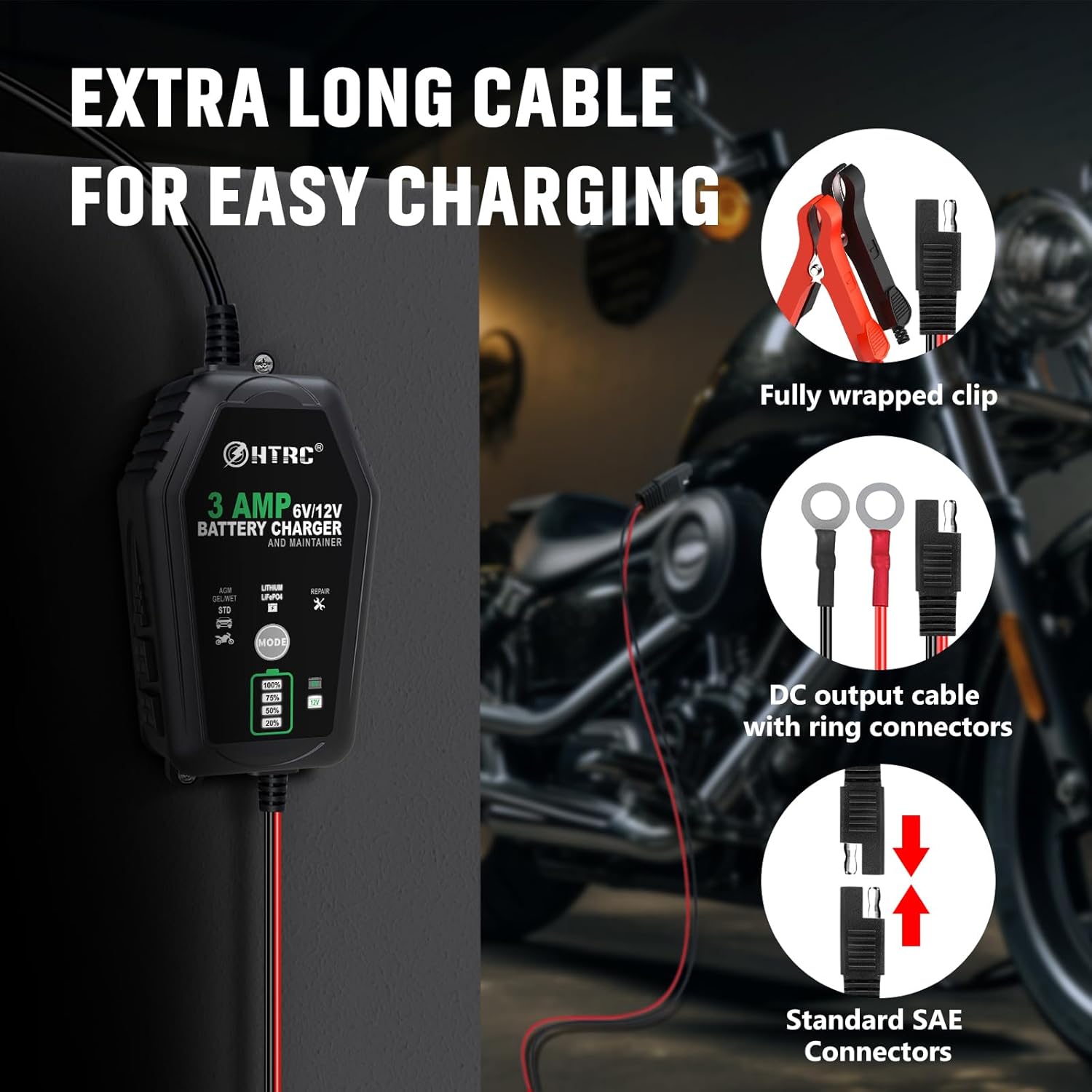
Image 5.1: The charger's flexible connection options: alligator clips and ring terminals.
5.2 Kubatanidza kune Simba
Once the charger is securely connected to the battery, plug the AC power cord into a standard 100-240V AC electrical outlet.
6. Operating Instructions
Chaja inozoona bhatiri voltage (6V or 12V). You will need to manually select the appropriate charging mode.
6.1 Selecting Charging Mode
Press the MODE button on the charger to cycle through the available charging modes:
- AGM/GEL/WET/STD: For standard Lead-Acid batteries, including AGM, Gel, Wet, and Standard flooded batteries.
- Lithium LiFePO4: For Lithium Iron Phosphate batteries.
- Gadzirisa: A specialized mode designed to increase battery health status or activate deeply discharged batteries. Use this mode with caution and only when necessary.

Image 6.1: The charger's display indicating the three selectable charging modes.
6.2 Kuchaja Maitiro
- After selecting the mode, the charger will begin the charging process. The LCD screen will display the charging progress (e.g., 20%, 50%, 75%, 100%) and the current battery voltage.
- The charger will automatically switch to maintenance mode once the battery is fully charged to prevent overcharging.
- When charging is complete, the display will show 100%.
6.3 Kubvisa Charger
Kuti ubvise charger:
- Unplug the AC power cord from the electrical outlet.
- Disconnect the BLACK (-) connector from the negative (-) battery terminal.
- Disconnect the RED (+) connector from the positive (+) battery terminal.
7. Kuchengeta
- Kuchenesa: Clean the charger casing nemucheka munyoro, wakaoma. Usashandise abrasive cleaners kana solvents.
- Cable Inspection: Regularly inspect the AC power cord and charging cables for any signs of damage, cuts, or fraying. Do not use if damaged.
- Kuchengeta: Store the charger in a cool, dry place when not in use. Keep it away from moisture and direct sunlight.
8. Kugadzirisa matambudziko
| Dambudziko | Zvinogona Kukonzera | Solution |
|---|---|---|
| Chaja haibatidzi. | No AC power; faulty connection; charger malfunction. | Check AC outlet; ensure all connections are secure; contact support if problem persists. |
| Charger not charging battery. | Incorrect mode selected; poor battery connection; battery too deeply discharged; battery fault. | Verify correct mode; check connections; try Repair mode for deeply discharged batteries; have battery tested by a professional. |
| Charger displays error code or warning. | Polarity yekudzokera shure; short circuit; over-tembiricha. | Disconnect immediately; check connections for correct polarity; allow charger to cool down; inspect cables for damage. |
| Battery not holding charge after charging. | Battery is old or damaged; internal battery fault. | This indicates a battery issue, not a charger issue. Consider replacing the battery. |
9. Zvinotsanangurwa
| Tsanangudzo | Detail |
|---|---|
| Model | 3A-Z |
| Chiyamuro Voltage | 100-240V AC |
| Kubuditsa Voltage | 6V / 12V DC (Automatic Detection) |
| Output Current | 3 Amp |
| Output Power | 60W |
| Inotsigirwa Mabhatiri Types | Lead-Acid (AGM, GEL, STD, Flooded, WET, EFB), Lithium, LiFePO4 |
| Operating Temperature | -10°C kusvika 40°C (14°F kusvika 104°F) |
| Dimensions (L x W x H) | 4.5 x 1.7 x 1.5 inches (11.43 x 4.32 x 3.81 cm) |
| Item Weight | 0.02 Kilograms (approx. 0.71 ounces) |
| Certifications | CE |
| Mugadziri | ZHIHIUI |
10. Warranty uye Tsigiro
For warranty information or technical support, please refer to the product packaging or contact the manufacturer directly. Keep your purchase receipt as proof of purchase.


