1. Nhanganyaya
This instruction manual provides essential information for the safe and effective use of your Zerone Vortex Tube Air Conditioner Cooling Vest. This innovative cooling solution is designed to provide personal cooling in high-temperature, high-fever, and high-humidity environments, making it suitable for demanding industrial applications such as metallurgy, forging, welding, glass manufacturing, and power plant operations.
The system operates using filtered compressed air, eliminating the need for electricity or chemical refrigerants. It offers efficient and adjustable cooling to enhance comfort and productivity in challenging work conditions.

Mufananidzo 1: Kupfuuraview of the Zerone Vortex Tube Air Conditioner Cooling Vest components, including the vest, vortex tube, and waist belt.
2. Safety Information
Please read and understand all safety warnings and instructions before operating this product. Failure to follow these instructions may result in injury or product damage.
- Compressed Air Safety: This device operates with compressed air. Ensure your compressed air source is clean, dry, and regulated to the appropriate pressure. Never exceed the recommended pressure for the vortex tube.
- Zvishandiso Zvekuzvidzivirira Pamunhu (PPE): Always wear appropriate PPE for your work environment, including eye protection, hearing protection, and any other gear required for tasks such as welding or metallurgy.
- Kuongorora: Before each use, inspect the vest, vortex tube, and all connections for any signs of damage, wear, or leaks. Do not use if any components are damaged.
- Kubatana Kwakakodzera: Ensure all connections are secure to prevent accidental disconnection during use.
- Kufefetedza While the vest itself does not produce waste, ensure adequate ventilation in your workspace, especially when working in confined spaces.
- Kugadzirisa Tembiricha: Adjust the cooling temperature gradually to avoid discomfort or overcooling.
3. Zvikamu
The Zerone Vortex Tube Air Conditioner Cooling Vest system includes the following main components:
- Vortex Tube Host: This unit generates the cold air from compressed air. It features an adjustable knob for temperature control.
- Cooling Vest: A lightweight, breathable vest designed to distribute cold air around the user's torso. Made from cotton/oxford material with mesh sections.
- Chiuno Bhandi: Used to secure the vortex tube host to the vest or the user's waist.
- Air Connector: For connecting the vortex tube to a compressed air supply hose.

Figure 2: Detailed dimensions of the vortex tube host (19 x 5.5 cm / 7.48 x 2.17 inches), vest (52 x 50 cm / 20.47 x 19.69 inches), and waist belt (115 cm / 45.28 inches).
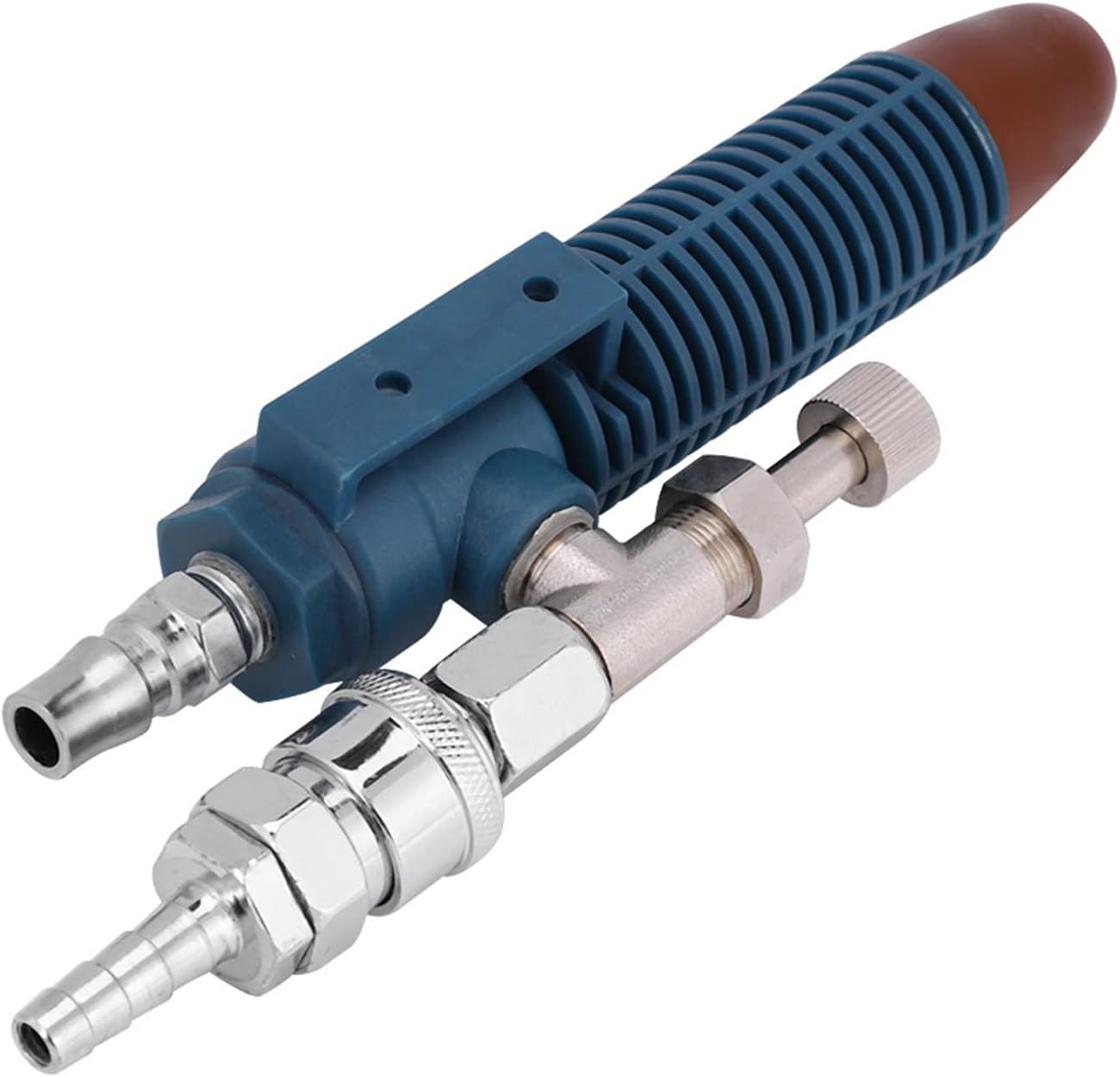
Mufananidzo 3: Pedyo-kumusoro view of the vortex tube host, showing its design and the air inlet connector.
4. Setup
Follow these steps to set up your cooling vest system:
- Attach Vortex Tube to Vest: Securely attach the vortex tube host to the designated connection point on the cooling vest. The vest is designed with an internal channel or pocket to hold the tube and distribute air.
- Wear the Vest: Put on the cooling vest. Adjust the waist belt for a snug but comfortable fit. The vest should sit properly on your torso to ensure effective air distribution.
- Batanidza neAir Supply: Connect the air connector on the vortex tube to a filtered, regulated compressed air supply hose. Ensure the connection is tight and free of leaks.
- Verify Air Quality: Use only clean, dry, industrial-grade compressed air. Moisture or contaminants in the air supply can affect performance and potentially damage the unit.
Video 1: This video demonstrates the process of wearing the cooling vest and connecting it to a compressed air source, showing how the system integrates with work attire and safety harnesses.
5. Operating Instructions
Once the system is set up and connected to a compressed air source, you can begin operation:
- Turn On Air Supply: Slowly open the valve on your compressed air supply to allow air to flow into the vortex tube.
- Activate Cooling: The system features a simple on/off mechanism. Once compressed air is supplied, the cooling process begins.
- Rongedza Tembiricha: Use the manual knob on the vortex tube host to adjust the air outlet temperature. Turn the knob to increase or decrease the cold air flow as desired. If the compressed air inlet pressure and temperature remain constant, the outlet temperature will be maintained within a range of ± 1°F (± 0.6°C).
- Monitor Comfort: Adjust the cooling level to maintain a comfortable body temperature. Avoid excessive cooling that could lead to discomfort.
- Dzima: To stop cooling, close the valve on your compressed air supply.
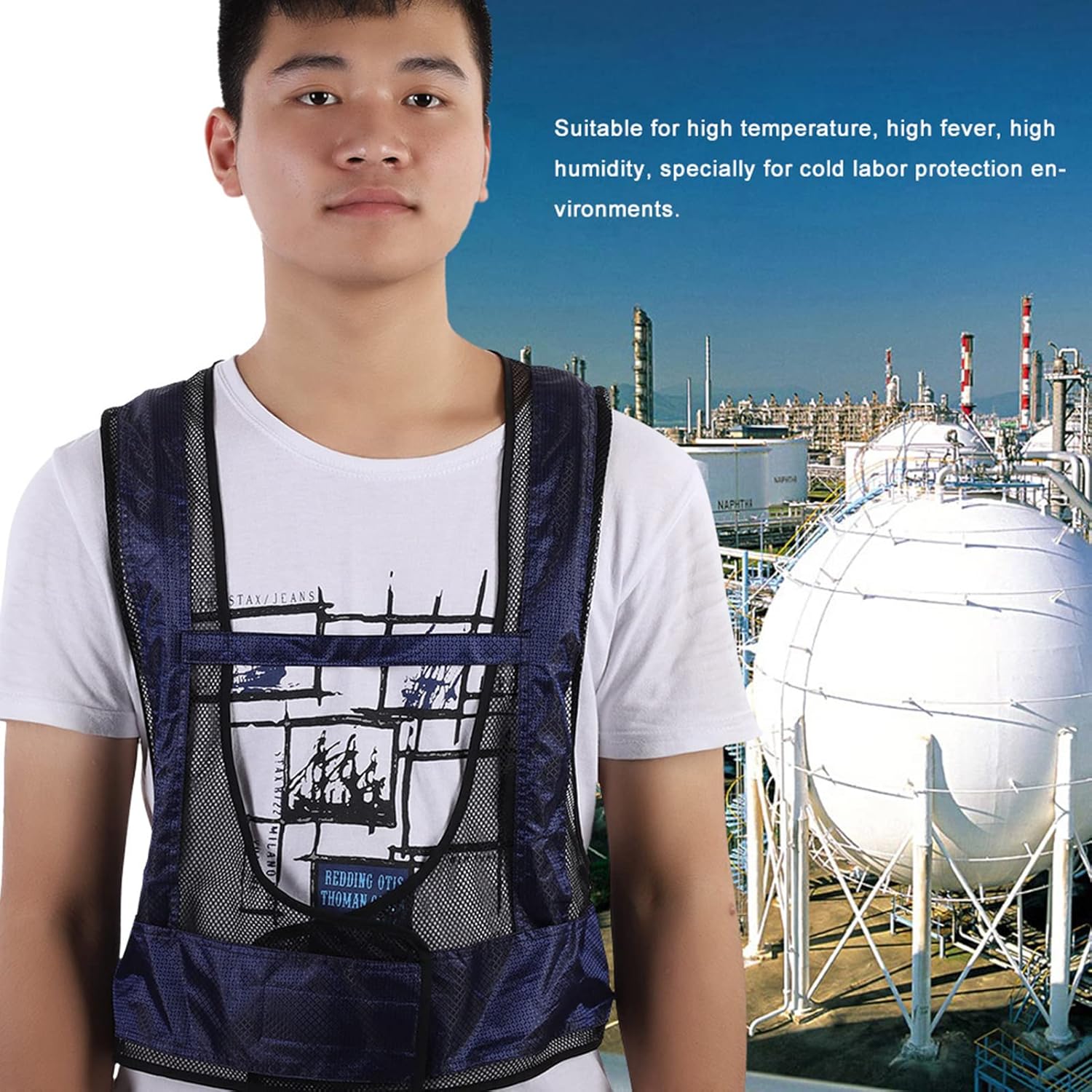
Figure 4: A worker wearing the Zerone cooling vest in an industrial environment, demonstrating its practical application for personal thermal comfort.
Video 2: This video illustrates the cooling vest in operation, showing how it provides a continuous flow of cool air to the user.
6. Kuchengeta
Proper maintenance ensures the longevity and optimal performance of your cooling vest system:
- Cleaning the Vest: The vest can be hand-washed with mild soap and water. Ensure the vortex tube is detached before washing. Air dry thoroughly before storage or next use.
- Vortex Tube Care: The vortex tube requires minimal maintenance. Periodically check for any blockages in the air inlets or outlets. Do not attempt to disassemble the vortex tube host unless you are a qualified technician.
- Mhepo Sefa: Ensure your compressed air supply has an adequate filter to prevent debris from entering the vortex tube, which could impair performance.
- Kuchengeta: Store the cooling vest and vortex tube in a clean, dry place away from direct sunlight and extreme temperatures.
7. Kugadzirisa matambudziko
If you encounter issues with your cooling vest, refer to the following common problems and solutions:
| Dambudziko | Zvinogona Kukonzera | Solution |
|---|---|---|
| No cooling or weak cooling | Insufficient compressed air pressure; Air supply valve closed; Blockage in vortex tube; Air leak in connections. | Check air supply pressure and ensure it meets specifications; Open air supply valve; Inspect vortex tube for blockages; Tighten all air connections. |
| Inconsistent cooling temperature | Fluctuating compressed air pressure; Vortex tube adjustment knob not set correctly. | Ensure stable compressed air supply; Re-adjust the temperature knob on the vortex tube. |
| Mhepo inodonha kubva pakubatanidza | Mabhatani asina kusimba; MaO-rings kana zvisimbiso zvakakuvara. | Tighten all connections; Inspect and replace any damaged O-rings or seals. |
Kana dambudziko rikaramba riripo mushure mekuyedza mhinduro idzi, ndapota taura nerutsigiro rwevatengi.
8. Zvinotsanangurwa
| Feature | Detail |
|---|---|
| Brand | Zerone |
| Model Number | Zeroneir1ytx98gh |
| Gas Rates | Up to 35 SCFM (990 SLPM) |
| Kutonhodza Simba | Up to 2500 BTU/H (630 Kcal/H); 2800 BTU/H (821 Kcal/H) at 100psi pressure |
| Simba Source | Filtered compressed air (no electricity or chemical refrigerant required) |
| Tembiricha Kugadzikana | ± 1°F (± 0.6°C) for sustained periods (with constant inlet pressure/temperature) |
| Vest Material | Cotton / Oxford |
| Vest Size | Freely adjustable (approx. 52 x 50 cm / 20.47 x 19.69 inches) |
| Vortex Tube Host Size | Approx. 19 x 5.5 cm / 7.48 x 2.17 inches |
| Waist Belt Size | Approx. 115 cm / 45.28 inches |
| Item Weight | 1.53 makirogiramu |
| Package Dimensions | 11.81 x 7.87 x 2.76 inches |
9. Warranty uye Tsigiro
For warranty information, technical support, or service inquiries, please refer to the product packaging or contact Zerone customer service directly. Keep your purchase receipt as proof of purchase.
