Nhanganyaya
The Surfans F28 is a high-fidelity portable music player designed to deliver an immersive audio experience. Featuring dual ESS9018 DACs, a 4.4mm balanced output, and comprehensive Bluetooth 5.2 support including LDAC and aptX HD, the F28 supports a wide range of lossless audio formats. This manual provides detailed instructions for setting up, operating, maintaining, and troubleshooting your device to ensure optimal performance and longevity.

Mufananidzo 1: Mberi uye kumashure view of the Surfans F28 HiFi Music Player.
Package Zviri mukati
Ndokumbira utarise kuti zvinhu zvese zvakanyorwa pazasi zviripo mupakeji yako:
- 1x Surfans F28 HiFi Music Player
- 1x USB-C yekuchaja Cable
- 1x 128GB Micro SD Card (pre-installed or included separately)
- 1x Chinyorwa cheMushandisi (gwaro iri)

Figure 2: Illustration of typical package contents.
Product Overview
Familiarize yourself with the various components and controls of your F28 music player.
Zvinokosha:
- Dual ESS9018 DACs: For high-resolution audio decoding and minimal distortion.
- 4.4mm Yakaenzana Kubuda: Provides enhanced audio quality and power for demanding headphones.
- 3.5mm Single-Ended Output: Standard audio output for common headphones.
- Bluetooth 5.2 ine divi rimwe nerimwe: Supports LDAC and aptX HD for high-quality wireless audio transmission and reception.
- Sikirini yekubata yeIPS ye 3.5-inch: For intuitive navigation and control.
- ALPS Analog Volume Knob: For precise volume adjustments.
- Kuchengetedzwa Kunogona Kuwedzerwa: Supports Micro SD cards up to 512GB.
- USB-C Chiteshi: Yekuchaja uye kutumira data.

Figure 3: The F28 player showcasing its display and audio capabilities.

Figure 4: The dual ESS9018K2M DAC chips, central to the F28's high-fidelity audio.

Figure 5: Top panel with 4.4mm balanced and 3.5mm single-ended audio outputs, and the ALPS analog volume knob.
Gadzirira
1. Kuchaja Chishandiso
Before first use, fully charge the F28. Connect the included USB-C cable to the player's USB-C port and the other end to a USB power adapter (5V/1A recommended) or a computer's USB port. The charging indicator will show the charging status. A full charge typically takes several hours.
2. Kuisa Micro SD Card
The F28 supports Micro SD cards up to 512GB. Locate the Micro SD card slot on the bottom of the device. Gently insert the Micro SD card with the gold contacts facing down until it clicks into place. To remove, push the card in slightly until it springs out.

Figure 6: Inserting the Micro SD card and connecting via USB-C for data transfer.
3. Transferring Music Files
Connect the F28 to your computer using the USB-C cable. The player will appear as a removable storage device. You can then drag and drop your music files directly into the Micro SD card's folders. The F28 supports various lossless formats including DSD (DSF/DFF), FLAC/WAV (up to 384kHz), AIFF/APE, as well as MP3/AAC.

Figure 7: Supported audio file formats for the F28 player.
Operating Instruction
1. Simba On / Off
- Power On: Press and hold the power button (located on the side) until the screen illuminates.
- Power Off: Press and hold the power button until a power-off prompt appears, then confirm.
2. Basic Navigation
The F28 features a 3.5-inch IPS touchscreen for primary navigation. Swipe gestures and taps are used to select options and move between menus. Physical buttons on the side provide additional control for playback (play/pause, next/previous track) and menu navigation.
3. Mumhanzi Playback
From the main menu, select "My Music" or "Folder" to browse your audio files. Tap on a song to begin playback. The playback screen displays track information, progress, and playback controls.
4. Volume Control
Adjust the volume using the gold-colored ALPS analog knob located on the top right of the device. Rotate clockwise to increase volume and counter-clockwise to decrease. The volume level will be displayed on the screen.
5. Kubatana kweBluetooth
The F28 supports Bidirectional Bluetooth 5.2 with LDAC and aptX HD codecs for high-quality wireless audio. To pair with Bluetooth headphones or speakers:
- Go to "System Settings" and select "Bluetooth".
- Batidza Bluetooth.
- Mutambi achatsvaga zvishandiso zviripo. Sarudza mudziyo wako kubva pane runyorwa kuti ubatanidze.
The F28 can also act as a Bluetooth receiver, allowing you to stream audio from your phone or PC to the player.

Figure 8: The F28 features a Bluetooth 5.2 chip for stable and high-quality wireless connections.
6. Equalizer Settings
The F28 includes an equalizer to customize your sound. Navigate to the "Equalizer" option in the settings. You can choose from various presets or create a custom sound profile by adjusting the frequency bands.
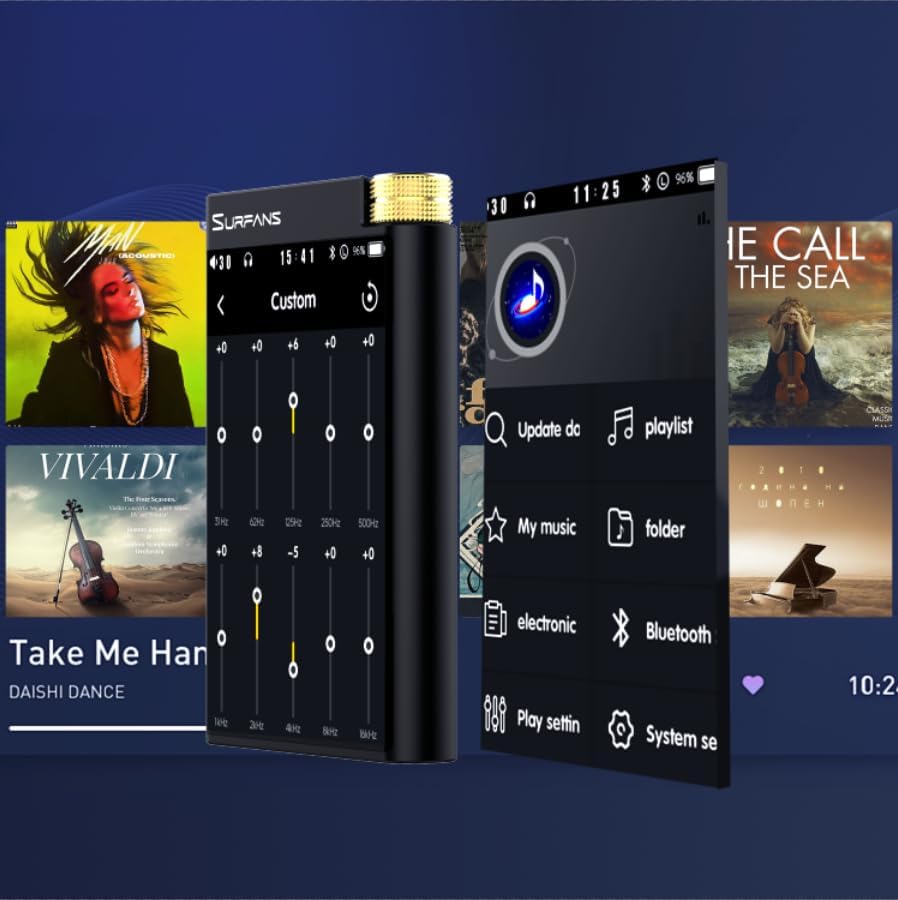
Figure 9: Customizing audio with the built-in equalizer.
7. Kubatanidza kune External Devices
Use the 4.4mm balanced or 3.5mm single-ended output to connect to headphones, amplifiers, or speakers. The USB-C port also supports USB DAC functionality, allowing the F28 to act as an external sound card for your computer.

Figure 10: The F28 can be connected to various audio systems, including acting as a USB DAC for computers.
Maintenance
- Kuchenesa: Shandisa jira rakapfava, rakaoma kuchenesa mudziyo. Dzivisa kushandisa abrasive cleaners kana solvents.
- Kuchengeta: Chengetedza mutambi munzvimbo inotonhorera, yakaoma kure nechiedza chezuva uye tembiricha yakanyanyisa.
- Battery Care: Kuti bhatiri rirambe richirarama kwenguva refu, dzivisa kuburitsa bhatiri rakazara nguva nenguva. Kana ukachengeta kwenguva yakareba, chaja bhatiri kusvika pa50% mwedzi mishoma yega yega.
Kugadzirisa matambudziko
| Dambudziko | Zvinogona Kukonzera | Solution |
|---|---|---|
| Mudziyo haubatike. | Bhatiri rakaderera; mudziyo wakaoma. | Charge the device for at least 30 minutes. If still unresponsive, try holding the power button for 10-15 seconds for a hard reset. |
| Touchscreen is unresponsive or slow. | Dambudziko resoftware kwenguva pfupi; kupindira kwemudziviriri wechidzitiro. | Restart the device. Ensure the screen is clean and free of debris. If using a screen protector, ensure it is properly applied and not too thick. |
| Bluetooth pairing nyaya. | Device not in pairing mode; distance; interference. | Ensure both devices are in pairing mode and within range. Turn off and on Bluetooth on both devices. Clear previous pairings if necessary. |
| Low volume via Bluetooth. | Volume settings on both devices; codec compatibility. | Increase volume on both the F28 and the connected Bluetooth device. Ensure optimal codec (LDAC/aptX HD) is selected if supported by the receiving device. |
| Music files not recognized or played in incorrect order. | Huori files; file system indexing issue. | Iva nechokwadi files are in supported formats. Re-scan the music library from the player's settings. If issues persist, try reformatting the Micro SD card (backup data first) and re-transferring files. Note: Some players may sort by filename alphabetically rather than track number metadata. |
Zvinotsanangurwa
| Feature | Detail |
|---|---|
| Model Name | F28 128G |
| Product Dimensions | 0.7 x 2.6 x 4.7 inches |
| Item Weight | 9.6 ounces |
| DAC Chip | Dual ESS9018K2M |
| Inotsigirwa Audio Formats | DSD (DSF/DFF), FLAC/WAV (up to 384kHz/32-bit), AIFF/APE, MP3/AAC, WMA Lossless |
| Bluetooth Version | 5.2 (Bidirectional, supports LDAC/aptX HD) |
| Screen Size | 3.5 Inches IPS Touchscreen |
| Kuchengeta Kwemukati | 128GB (included Micro SD card) |
| Expandable Storage | Up to 512GB via Micro SD card |
| Bhatiri | 1x 12V battery (included), approx. 12-hour playback |
| Output Ports | 4.4mm Yakaenzana, 3.5mm Yakagadzirirwa Chimwe Chete |
| Kubatana Technology | Aux, Bluetooth 5.2, USB-C |
| Special Feature | Equalizer |
Warranty uye Support
For warranty information and technical support, please refer to the official Surfans websaiti kana kubata basa ravo revatengi zvakananga. Chengetedza risiti yako yekutenga sehumbowo hwekutenga kwezvichemo zvewaranti.
You can visit the official Surfans Store on Amazon for more information and support: Surfans Audio Store


