1. Nhanganyaya
Thank you for choosing the Novodesk AZ5130 6-in-1 Automatic Vacuum Sealer Machine. This manual provides essential information for the safe and efficient operation, maintenance, and troubleshooting of your new appliance. Please read these instructions thoroughly before first use and retain them for future reference.

Image 1.1: The Novodesk AZ5130 Vacuum Sealer in operation, sealing food for preservation.
2. Yakakosha Mirayiridzo Yekuchengetedza
Paunenge uchishandisa midziyo yemagetsi, matanho ekuchengetedza anofanirwa kuteedzerwa nguva dzose kuderedza njodzi yemoto, kuvhunduka kwemagetsi, uye kukuvara kwevanhu, kusanganisira zvinotevera:
- Verenga mirairo yese usati washandisa mudziyo uyu.
- Do not operate the appliance with a damaged power cord or plug. If the cord or plug is damaged, contact customer support for assistance.
- Usanyudze mudziyo, tambo yemagetsi, kana plug mumvura kana zvimwe zvinwiwa.
- Chishandiso ichi hachina kuitirwa kuti chishandiswe nevanhu (kusanganisira vana) vane hunyanzvi hwemuviri, hwekunzwa, kana pfungwa, kana kushaya ruzivo neruzivo, kunze kwekunge vapihwa tarisiro kana murairo maererano nekushandiswa kwemudziyo nemunhu ane mutoro wekuchengetedza kwavo. .
- Kutariswa kwepedyo kunodiwa kana chero mudziyo uchishandiswa nevana kana pedyo.
- Bvisa paburiro kana isiri kushandiswa uye usati wachenesa. Bvumira kutonhora usati wapfeka kana kubvisa zvikamu, uye usati wachenesa mudziyo.
- Usashandise zvakabatanidzwa zvisina kukurudzirwa nemugadziri.
- Usashandise kunze.
- Usaise pairi kana pedyo negasi rinopisa kana chibatiso chemagetsi, kana muovheni inopisa.
- Always ensure the lid is properly latched before operating.
- Use only vacuum sealer bags designed for vacuum sealing.
3. Package Zviri mukati
Carefully unpack your Novodesk AZ5130 Vacuum Sealer and check that all items are present and in good condition. If any items are missing or damaged, please contact customer support.
- 1 x Novodesk AZ5130 Vacuum Sealer Machine
- 1 x Simba Tambo
- 1 x Vacuum Hose (for external vacuuming)
- 2 x Sealing Foam Gaskets (replacement)
- 6 x Pre-cut Vacuum Bags (3.9" x 7.8")
- 6 x Pre-cut Vacuum Bags (7.8" x 11.8")

Image 3.1: All components included in the Novodesk AZ5130 Vacuum Sealer package.
4. Chigadzirwa Pamusoroview
Familiarize yourself with the various parts and functions of your vacuum sealer.

Image 4.1: Control panel and function buttons of the vacuum sealer.
Control Panel Mabasa:
- Process Indicator Light: Illuminates to show operating status.
- Yakaoma Mode: For vacuum sealing dry foods like nuts and grains.
- Moist Mode: For vacuum sealing foods with a small amount of liquid.
- Pulse Basa: Allows manual control of the vacuum process, ideal for fragile foods.
- Seal Function: Seals bags without vacuuming.
- Mira Bhatani: Inomisa kushanda kwazvino.
Image 4.2: Internal components of the vacuum sealer.
Zvikamu Zvikuru:
- Vacuum Chamber: Nzvimbo inobviswa mweya kubva mubhegi.
- Silicone Strip: Helps create a tight seal.
- Seal Strip: Heats to create the bag seal (4mm wide).
- Foam Seal Ring: Ensures proper vacuum.
- Cover Slaps: Prevents the vacuum bag from coming out of the vacuum chamber.
- External Sliding Cutter: Integrated cutter for custom bag sizes.
- External VAC Port: For connecting the vacuum hose to jars and containers.
5. Setup
Before first use, ensure the appliance is clean and dry. Place the vacuum sealer on a flat, stable surface.
Matanho ekutanga ekugadzirisa:
- Connect the power cord to the appliance and then to a suitable electrical outlet.
- Prepare your vacuum bag with food, ensuring the open end is clean and dry. Leave at least 2-3 inches of space between the food and the top of the bag.
6. Operating Instructions
6.1. Basic Vacuum Sealing (Dry & Moist Modes)
Follow these steps for standard vacuum sealing of food bags:
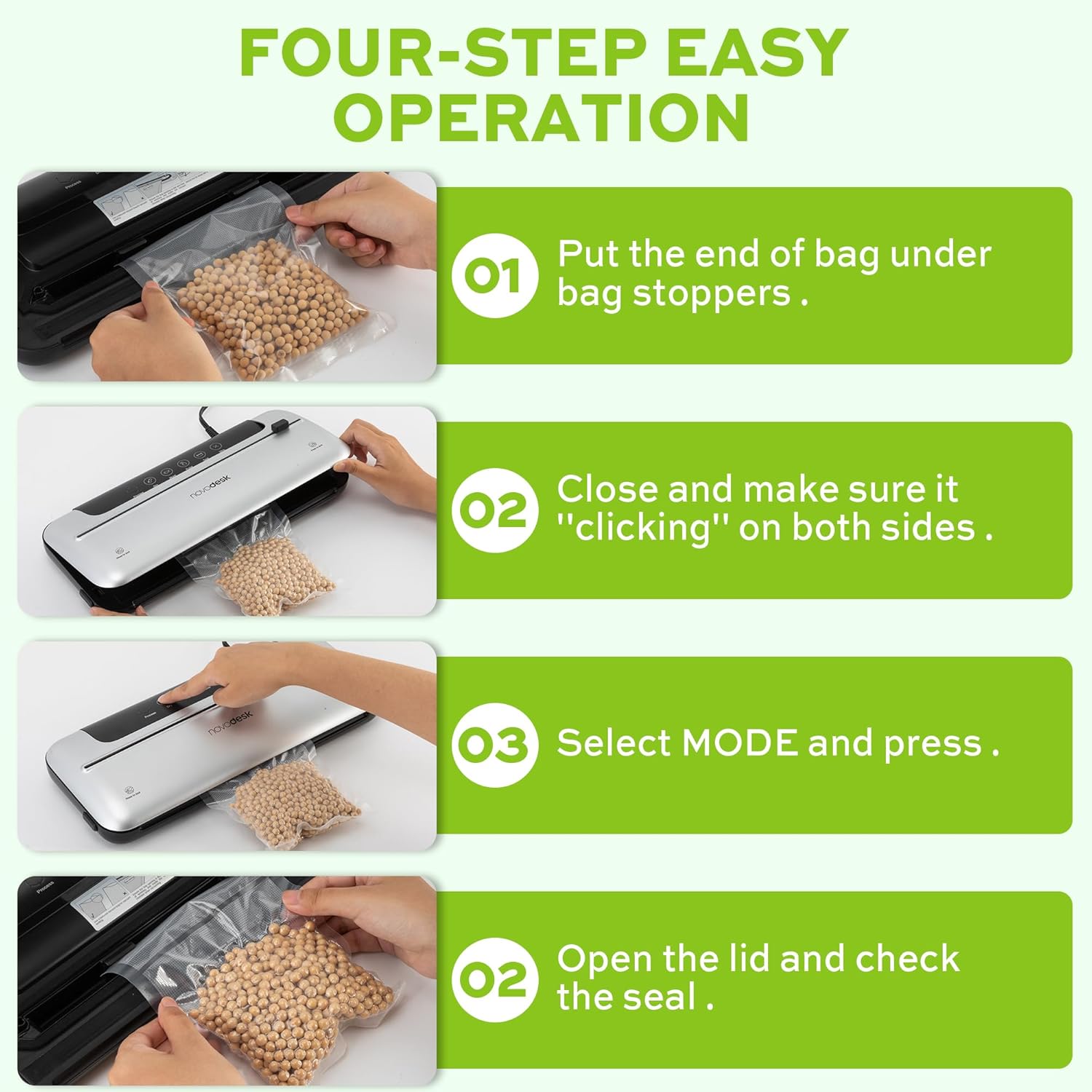
Image 6.1: Four-step easy operation for vacuum sealing.
- Gadzirira Bag: Place the open end of the vacuum bag under the bag stoppers, ensuring it is flat and centered within the vacuum chamber.
- Vhara Chivharo: Firmly close the lid of the vacuum sealer. Press down on both sides until you hear a "clicking" sound, indicating that the lid is securely latched.
- Sarudza Modhi: Choose the appropriate mode for your food:
- Press the Dry button for dry foods.
- Press the Munyoro button for moist foods.
- Tarisa Chisimbiso: Once the process is complete and the indicator light turns off, open the lid and remove the sealed bag. Inspect the seal to ensure it is airtight.
6.2. Pulse Function
The Pulse function provides manual control over the vacuum process, which is ideal for delicate or fragile foods that could be crushed by full vacuum pressure.
- Follow steps 1 and 2 from "6.1. Basic Vacuum Sealing".
- Dzvanya uye ubate iyo Pulse button. The machine will begin to vacuum.
- Sunungura iyo Pulse button when the desired vacuum level is reached.
- Press the Chisimbiso bhatani rekuvhara bhegi.
- Vhura chivharo uye bvisa bhegi rakavharwa.
6.3. Seal Only Function
Use the Seal function to create a seal without vacuuming, useful for making custom-sized bags from a roll or resealing snack bags.
- Place the open end of the bag onto the sealing strip.
- Vhara chivharo chakasimba kusvika chadzvanya.
- Press the Chisimbiso button. The machine will heat and seal the bag.
- Once the sealing process is complete, open the lid and remove the sealed bag.
6.4. External Vacuum Function (for Jars/Containers)
Your vacuum sealer includes an external vacuum hose for use with compatible vacuum-sealable jars, containers, and wine stoppers.

Image 6.2: Using the external vacuum system with various containers.
- Prepare your vacuum-sealable jar or container with food. Ensure the lid is properly placed.
- Insert one end of the vacuum hose into the external VAC port on the vacuum sealer.
- Insert the other end of the vacuum hose into the port on your vacuum-sealable jar or container.
- Close the lid of the vacuum sealer (no bag needed inside).
- Press the External VAC button (if available, otherwise use Dry/Moist mode to activate vacuum pump). The machine will begin to remove air from the container.
- Once the vacuum process is complete, remove the hose. The container should now be sealed.
6.5. Using the External Sliding Cutter
The integrated sliding cutter allows you to create custom-sized bags from a roll of vacuum sealer material.
- Place the vacuum bag roll across the cutting area.
- Slide the cutter blade across the bag material to achieve the desired length.
7. Kuchengetedza uye Kuchenesa
Kuchenesa nekugadzirisa nguva dzose kuchaita kuti chivhariso chako chevacuum chigare kwenguva refu uye chishande zvakanaka.
Kuchenesa Mirayiridzo:
- Gara uchibvisa mudziyo usati wachenesa.
- Pukuta kunze kwemuchina nekanyoro, damp jira. Usashandise abrasive cleaners kana solvents.
- Clean the vacuum chamber and sealing strip area with a damp jira. Iva nechokwadi chekuti hapana zvidimbu zvechikafu kana mvura zvinosara.
- The foam seal rings can be removed for cleaning if necessary. Wash with mild soap and water, rinse thoroughly, and allow to air dry completely before reinserting.
- Iva nechokwadi chekuti zvikamu zvese zvaoma zvachose usati wachengeta kana kushandisa mudziyo zvakare.
Kuchengeta:
Store the vacuum sealer in a clean, dry place. For best results, store with the lid unlatched to prevent compression of the foam seal rings, which can affect sealing performance over time.
8. Kugadzirisa matambudziko
Kana iwe ukasangana nematambudziko neako vacuum sealer, tarisa kune anotevera akajairika matambudziko uye mhinduro:
| Dambudziko | Zvinogona Kukonzera | Solution |
|---|---|---|
| Muchina haubatike. | Hapana magetsi. | Tarisa kana tambo yemagetsi yakavharirwa zvakachengeteka mukati mekubuda nemuchina. Edza chinobuda nechimwe mudziyo. |
| Machine vacuums asi haina kuvharira. | Sealing strip or foam gasket is dirty/damaged. Bag is not positioned correctly. | Clean the sealing strip and foam gaskets. Ensure the bag is flat and centered over the sealing strip. Replace gaskets if damaged. |
| Machine seals asi haina vacuum. | Lid not properly latched. Foam gaskets are dirty or worn. Bag has holes or is not suitable. | Ensure the lid is firmly closed and latched on both sides. Clean or replace foam gaskets. Use proper vacuum sealer bags and check for damage. |
| Vacuum haina kusimba kana kuti haichinji. | Foam gaskets are dirty or worn. Too much liquid in the bag (for Dry mode). | Clean or replace foam gaskets. Use Moist mode for foods with liquid, or pre-freeze liquids. |
| Bag melts during sealing. | Sealing time too long (unlikely for automatic models). | Ensure you are using appropriate vacuum sealer bags. If issue persists, contact customer support. |
If the problem persists after attempting these solutions, please contact Novodesk customer support for further assistance.
9. Zvinotsanangurwa
| Brand | Novodesk |
| Model Number | AZ5130 |
| Simba / Wattage | 120 watts |
| Voltage | 120V |
| Material | Acrylonitrile Butadiene Styrene (ABS) |
| Item Weight | 980 g (2.16 Pondo) |
| Color | Silvery |
| Operation Mode | Automatic |
| Max Suction Power | 75KPa |
| Chisimbiso Mutsara Upamhi | 4mm |
10. Warranty uye Tsigiro
Novodesk products are manufactured to high-quality standards. For information regarding warranty coverage, product support, or to purchase replacement parts, please refer to the warranty card included with your product or visit the official Novodesk website. If you have any questions or require assistance, please contact Novodesk customer service.

